
 COA
COA
What is Retatrutide?
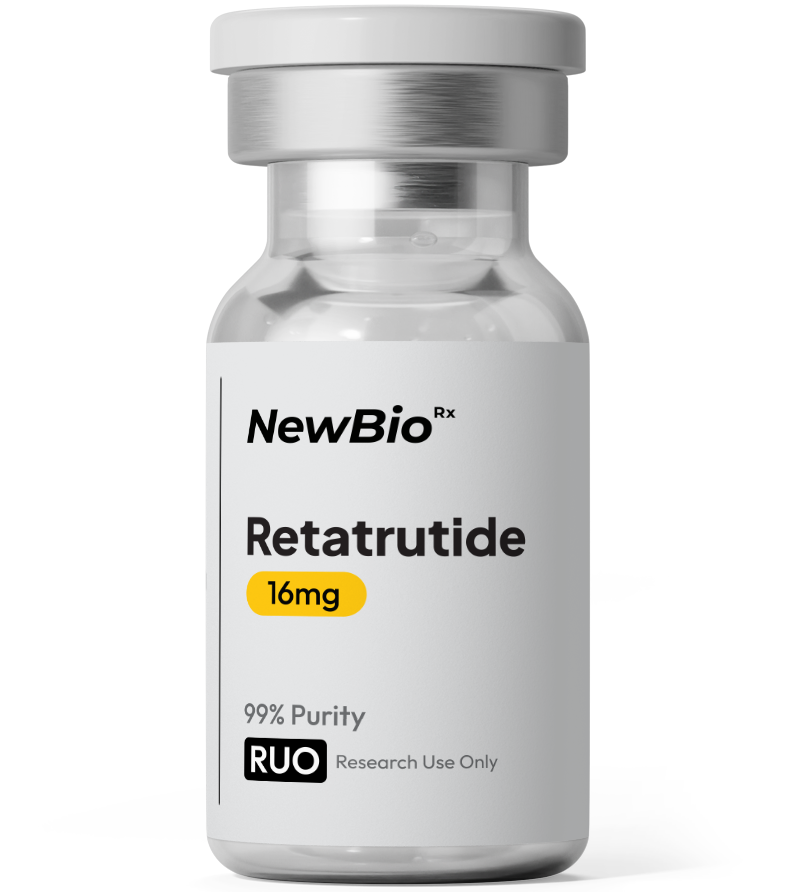
Retatrutide 16mg is a synthetic incretin-mimetic peptide and triple receptor agonist that simultaneously targets the glucagon-like peptide-1 (GLP-1), glucose-dependent insulinotropic polypeptide (GIP), and glucagon receptor signaling systems. By modulating these interconnected pathways, retatrutide serves as a model compound for investigating multi-receptor incretin signaling, energy balance, and metabolic regulation. Its dual action makes retatrutide a useful reference point for studying downstream signaling mechanisms, such as cyclic AMP activation, and the integrated hormonal responses that govern energy expenditure and adiposity (fat accumulation). NewBioRx supplies 16mg retatrutide at >99.9% purity, synthesized through rigorous solid-phase peptide synthesis and purified by HPLC, allowing precise control over peptide sequence and structure with extremely high purity and repeatability from batch to batch.
Note: Sold for research use only.
Retatrutide is a synthetic peptide analog designed to function as a multi receptor signaling modulator within incretin related metabolic pathways. The molecule is classified as a triple receptor agonist, which means it interacts with the glucagon like peptide 1 receptor (GLP 1R), glucose dependent insulinotropic polypeptide receptor (GIPR), and the glucagon receptor (GCGR). Through simultaneous engagement of these receptor systems, Retatrutide provides a model compound for studying coordinated incretin and glucagon signaling mechanisms that regulate cellular energy sensing and metabolic pathway activity[1].
Structurally, Retatrutide is derived from the glucagon peptide backbone and incorporates targeted amino acid substitutions that improve resistance to enzymatic degradation while maintaining receptor binding capability. These sequence modifications enhance peptide stability in experimental systems and allow sustained interaction with multiple receptor classes during signaling assays. The peptide's structural design also enables investigation of cross receptor signaling effects that are not present in single receptor agonists such as conventional GLP 1 analogs[2].
Compared with earlier incretin mimetic peptides that selectively target one receptor, Retatrutide demonstrates integrated activity across three receptor pathways, enabling researchers to examine complex metabolic signaling networks within controlled experimental models.
Retatrutide is available in two quantities to accommodate varying experimental requirements. This 16mg format is well-suited to smaller-scale assays, dose-response studies, and protocols where precise low-volume reconstitution is preferred. However, researchers working with higher-throughput models, extended study designs, or larger cohort sizes may find the Retatrutide 30mg format better suited to their needs, offering greater material availability without compromising purity or batch consistency.
Retatrutide Purity and Stability
Because of retatrutide's triple receptor activation and participation in tightly regulated signaling pathways, even small amounts of peptide impurities or degradation products can introduce unintended receptor interactions or alter downstream signaling responses in experimental models.
High purity ensures that the observed biological effects arise from the intended peptide sequence rather than from truncated peptides, synthesis byproducts, or residual reagents. In receptor binding assays, cell signaling experiments, and metabolic pathway studies, these contaminants can produce background activity that complicates data interpretation and reduces reproducibility across experiments.
Researchers trust retatrutide supplied by NewBioRx because it is produced using rigorously controlled peptide synthesis methods and purified through analytical processes such as HPLC to support high purity standards with reliable consistency, supporting reproducible physicochemical properties for laboratory research applications.
Molecular stability is equally important for peptides used in laboratory research. Peptides are susceptible to degradation through processes such as oxidation, hydrolysis, or enzymatic cleavage. If degradation occurs during storage or experimental preparation, the resulting fragments may display different receptor binding characteristics or reduced signaling activity.
For these reasons, research-grade Retatrutide is also tested and verified through analytical techniques such as high performance liquid chromatography. Analytical verification and batch documentation help confirm purity, identity, and stability, supporting reliable use of the peptide in receptor signaling assays, biochemical studies, and preclinical experimental systems.
Retatrutide Chemical Identity
Retatrutide is a synthetic peptide analog that is structurally derived from the glucagon peptide family and engineered to interact with multiple incretin related receptor systems. The molecule consists of a modified amino acid sequence based on the glucagon backbone and includes targeted substitutions that improve resistance to enzymatic degradation while maintaining receptor binding capability.
Retatrutide also incorporates structural modifications that influence receptor selectivity and signaling behavior across GLP 1, GIP, and glucagon receptor pathways. These sequence and backbone features support stable receptor interaction in biochemical assays and enable investigation of coordinated incretin signaling mechanisms in controlled laboratory models.
Chemical Properties and Registry Information for Retatrutide
The following chemical identifiers describe the molecular composition and registry information associated with retatrutide for laboratory research.| Property | Value |
| Name & Synonyms | Retatrutide, LY3437943 |
| PubChem CID | 171390338 |
| CAS Number | 2381089-83-2 |
| Molecular Formula | C221H342N46O68 |
| Molecular Weight | 4731 g/mol |
| Peptide Length | 39 amino acids |
| Compound Class | Synthetic incretin peptide analog (triple hormone receptor agonist) |
| Primary Targets | GLP-1 receptor (GLP-1R), glucose-dependent insulinotropic polypeptide receptor (GIPR), and the glucagon receptor (GCGR) |
| InChIKey | MLOLQJNKXBNWFW-SAGGEDDASA-N |
These identifiers support accurate indexing across chemical databases and facilitate reliable compound identification in biochemical and molecular research.
Retatrutide Research Applications
Retatrutide is used in controlled laboratory systems as a multi-receptor research tool for studying coordinated incretin and glucagon signaling. Because the peptide engages GIPR, GLP-1R, and GCGR within a single molecular scaffold, it is especially useful in experimental models designed to examine how receptor signaling, energy metabolism, and endocrine pathway regulation interact across tissues rather than in isolation.
In research settings, Retatrutide is typically framed not simply as another incretin mimetic peptide, but as a mechanistic probe for tri-agonist biology. Experimental work has focused on receptor pharmacology, cyclic AMP linked signaling, food intake and energy expenditure pathways, hepatic lipid handling, inflammatory markers, and cross-tissue metabolic communication in animal and biochemical models.
Weight Regulation and Adipose Tissue Research
Retatrutide is frequently used in metabolic research examining body weight regulation and adipose tissue dynamics. Because the peptide activates GLP-1R, GIPR, and GCGR within a single molecular framework, it allows researchers to study how coordinated receptor signaling influences food intake pathways, lipid mobilization, and whole-body energy balance in controlled models. Clinical studies and translational investigations have reported changes in body weight, adiposity measures, and related metabolic markers, supporting the use of retatrutide as a research tool for examining multi-receptor regulation of adipose tissue biology and systemic metabolic signaling [2][3][5].
Research has also explored how tri-agonist signaling may affect fat distribution and body composition parameters, including visceral adiposity and total fat mass. In this context, retatrutide provides a useful model for studying how incretin and glucagon pathway integration shapes adipose tissue responses, rather than isolating a single receptor axis. These findings have made the peptide relevant for laboratory work focused on energy storage, fat redistribution, and endocrine control of metabolic flux across tissues [1][2][5].
Metabolic Signaling and Insulin Pathway Research
Another major area of investigation involves glucose signaling and insulin pathway regulation. Because GLP-1R and GIPR are central components of incretin biology, retatrutide is used to examine how simultaneous receptor activation influences cyclic AMP signaling, hormone secretion pathways, and broader endocrine regulatory networks. Controlled studies have reported changes in glucose-related biomarkers and metabolic signaling endpoints, which researchers use to investigate how combined receptor engagement may alter endocrine pathway activity in experimental systems [2][3][5].
Mechanistic work suggests that tri-agonist signaling may influence several components of glucose regulation, including insulin secretion pathways, hepatic glucose handling, and peripheral metabolic signaling. However, these findings are not outcome claims, and researchers should treat retatrutide as a platform for studying how multiple hormonal inputs converge within complex metabolic systems. This makes the peptide useful in receptor activation assays, cAMP studies, and pathway analyses focused on incretin-glucagon signaling integration [3][5][6].
Body Composition and Lean Tissue Research
Body composition remains another important research area for retatrutide. Studies have evaluated how multi-receptor signaling influences the relative distribution of fat mass and lean tissue in metabolic models, with body composition assessments used to track changes in adipose tissue, regional fat depots, and lean mass during controlled investigations. These data are useful not as therapeutic endpoints, but as a way of examining how tri-agonist signaling may affect tissue-level energy partitioning under experimental conditions [2][3][5].
This line of research helps investigators study how receptor co-activation influences substrate utilization, lipid oxidation pathways, and the balance between stored fat use and lean tissue preservation. Because GCGR signaling has been linked to changes in hepatic energy turnover and fat oxidation, retatrutide offers a framework for examining how integrated endocrine signaling affects body composition readouts across tissues and model systems [1][5].
Liver Metabolism and Hepatic Signaling Research
Retatrutide is also widely used in research involving hepatic metabolism and liver-associated signaling pathways. Preclinical and translational studies indicate that multi-receptor agonism can influence liver fat measurements, hepatic triglyceride handling, cholesterol metabolism, and biochemical markers associated with liver function. These findings support the use of retatrutide in laboratory studies examining how coordinated GLP-1R, GIPR, and GCGR activation affects hepatic metabolic regulation [5][8].
Experimental work in liver-focused disease models has further examined the peptide's effects on inflammatory readouts, lipid accumulation, and liver-associated transcriptional responses. In a diet-induced steatohepatitis mouse model with fructose exposure, retatrutide was associated with changes in hepatic triglycerides, cholesterol levels, alanine aminotransferase, and inflammatory markers, providing a useful system for studying how tri-agonist signaling influences liver biology in experimentally induced steatotic states [7].
Together, these data make retatrutide relevant for research on hepatic substrate flux, adipose-liver crosstalk, and integrated lipid metabolism [5][7][8].
Cardiometabolic Biomarker Research
Researchers also use retatrutide to study broader cardiometabolic biomarker responses associated with integrated endocrine signaling. Clinical investigations and reviews have described changes in glucose-related biomarkers, lipid fractions, blood pressure measurements, and other cardiometabolic parameters when the peptide is evaluated in controlled settings. In research terms, these findings are valuable because they help define how tri-agonist receptor activation may influence interconnected physiological systems rather than a single metabolic endpoint [1][2][3].
Because cardiometabolic regulation reflects signaling across endocrine tissues, liver, adipose tissue, and vascular systems, retatrutide provides a useful probe for studying how coordinated receptor activation shapes systemic biomarker patterns. This makes it relevant for laboratory investigations focused on metabolic network behavior, biomarker tracking, and systems-level endocrine responses [1][3][5].
Appetite Signaling and Feeding Behavior Research
Another important application area involves appetite signaling and feeding behavior research. GLP-1 receptor signaling is closely linked to satiety pathways and gastrointestinal signaling, while GIPR and GCGR contribute additional metabolic feedback relevant to nutrient sensing and energy regulation. By activating all three receptors simultaneously, retatrutide enables researchers to examine how these signaling systems interact in models of feeding behavior and metabolic control [5][6].
Experimental studies in this area often evaluate food intake, satiety-related responses, feeding patterns, and associated endocrine biomarkers. These readouts help investigators study how coordinated hormonal signaling may influence behavioral and physiological aspects of energy intake, as well as how receptor crosstalk modifies the strength and persistence of those signals in controlled experimental environments [1][5].
Energy Expenditure and Metabolic Rate Research
Retatrutide's tri-agonist profile also makes it relevant for research involving energy expenditure and metabolic rate. Preclinical work has suggested that glucagon receptor activation may contribute to changes in energy expenditure and substrate utilization, while GLP-1R and GIPR signaling influence intake-related and endocrine regulatory pathways. Studying these pathways together allows researchers to investigate how multi-receptor agonism may redistribute metabolic energy flux across tissues [5].
In metabolic research, common readouts include body mass change, food intake, circulating biomarkers, adipose depot measurements, and indirect markers of substrate handling and energy use. These experiments help clarify how integrated incretin and glucagon signaling affects the relationship between intake-side regulation and expenditure-side regulation in complex biological systems [1][5].
For laboratories running smaller-scale studies, receptor assays, or early-stage pathway investigations, the 16 mg presentation provides a practical format for controlled experimental workflows while maintaining the same research-focused application profile.
Overall, retatrutide serves as a versatile experimental platform for studying integrated receptor signaling across metabolic tissues. Its tri-agonist receptor activity supports research into receptor pharmacology, endocrine pathway regulation, lipid metabolism, hepatic signaling, and cross-tissue metabolic communication in controlled laboratory and translational research environments [1][5].
How Retatrutide Works (Mechanism of Action)
In biochemical and preclinical research models, retatrutide interacts with three class B G protein coupled receptors that participate in metabolic signaling networks: the glucagon like peptide 1 receptor (GLP 1R), the glucose dependent insulinotropic polypeptide receptor (GIPR), and the glucagon receptor (GCGR). Through activation of these receptors, it enables investigation of integrated endocrine signaling pathways that regulate cellular energy sensing, metabolic enzyme activity, and nutrient responsive signaling in laboratory models[5].
Target Engagement
Retatrutide engages GLP 1R, GIPR, and GCGR through direct peptide receptor binding that mimics the interaction of endogenous incretin and glucagon peptides. These receptors belong to the class B family of G protein coupled receptors and are activated when peptide ligands bind to extracellular receptor domains that trigger conformational changes in the transmembrane signaling structure.
In receptor pharmacology studies, Retatrutide demonstrates agonist activity at all three receptors, although experimental characterization suggests different relative potency across the receptor set. Biochemical assays have shown strong activation of GIPR with measurable activation of GLP 1R and GCGR, producing a coordinated receptor engagement profile that differs from single receptor agonists such as GLP 1 selective peptides or dual agonists such as GLP 1 and GIP analogs.
This tri receptor interaction allows researchers to study receptor crosstalk and signaling integration within endocrine receptor systems.
Downstream Signaling Pathways
Activation of GLP 1R, GIPR, and GCGR by Retatrutide initiates intracellular signaling through G protein mediated pathways. These receptors primarily couple to Gs proteins that stimulate adenylate cyclase, increasing intracellular cyclic AMP concentrations. Elevated cyclic AMP acts as a second messenger that activates protein kinase A and related signaling proteins involved in metabolic pathway regulation.
In cell based assays, increased cyclic AMP signaling has been linked to phosphorylation events that influence transcriptional regulators and metabolic enzymes. These signaling cascades are commonly measured using reporter gene systems, kinase activation assays, and transcriptional analysis in cultured cells expressing incretin and glucagon receptors.
Through this mechanism, Retatrutide enables researchers to examine how simultaneous activation of multiple endocrine receptors influences signaling amplitude and pathway persistence within experimental models.
Cellular Effects in Experimental Models
Laboratory investigations using Retatrutide have explored how tri receptor activation influences metabolic signaling across multiple tissues in experimental systems. In preclinical studies using rodent models, tri agonist peptides similar to Retatrutide have been associated with coordinated changes in biomarkers linked to energy metabolism, lipid handling, and endocrine signaling[5].
Experimental observations in these models include changes in circulating metabolic markers, altered hepatic lipid accumulation, and modulation of gene expression related to energy metabolism pathways. Cell culture experiments have also demonstrated that Retatrutide can influence receptor dependent signaling intensity and metabolic enzyme regulation when tested in systems expressing GLP 1R, GIPR, or GCGR.
These findings support the use of Retatrutide as a mechanistic probe for studying how multiple receptor systems interact to regulate metabolic pathway activity and cellular energy balance in controlled experimental models.
Retatrutide Comparison: Related Research Compounds
Retatrutide belongs to a newer class of multi receptor incretin pathway agonists used in metabolic signaling research. Researchers often compare Retatrutide with earlier GLP 1 pathway compounds to understand how receptor selectivity influences downstream signaling behavior, endocrine pathway modulation, and metabolic pathway responses in experimental models.
Two commonly referenced comparison compounds are semaglutide and tirzepatide, which represent single receptor and dual receptor incretin agonist designs respectively.
| Property | Retatrutide | Tirzepatide | Semaglutide |
| Type |
Synthetic peptide tri agonist |
Synthetic peptide dual agonist |
Synthetic peptide analog |
| Primary Target |
GLP 1 receptor, GIP receptor, glucagon receptor |
GLP 1 receptor and GIP receptor |
GLP 1 receptor |
| Mechanism Summary |
Activates three class B GPCR receptors involved in incretin and glucagon signaling, enabling investigation of integrated metabolic signaling pathways |
Dual receptor agonist that activates GLP 1R and GIPR to study incretin pathway modulation and receptor interaction |
Selective GLP 1 receptor agonist used to examine incretin signaling and glucose dependent endocrine pathway activation |
| Typical Research Systems |
In vitro receptor signaling assays, metabolic animal models, biochemical pathway studies, liver and adipose metabolism experiments |
In vitro receptor assays, pancreatic islet cell models, metabolic animal studies, incretin signaling experiments |
Cell culture receptor assays, pancreatic beta cell models, metabolic animal studies |
| Mechanistic Focus |
Multi receptor endocrine signaling, energy metabolism integration, metabolic pathway coordination |
Dual incretin receptor signaling, endocrine pathway modulation |
GLP 1 receptor signaling and incretin pathway regulation |
| Regulatory Category |
Research use peptide investigated in experimental metabolic signaling models |
Investigational peptide used in receptor pharmacology and metabolic research |
Investigational peptide analog used in incretin signaling studies |
| Research Stage |
Receptor pharmacology research and preclinical metabolic studies |
Receptor pharmacology research and metabolic signaling investigation |
Established compound used widely in incretin pathway and receptor signaling research |
| Notes |
Tri receptor activity allows investigation of signaling crosstalk between incretin and glucagon receptor pathways |
Dual receptor design enables comparison of GIP and GLP 1 pathway cooperation |
Single receptor selectivity provides a reference model for GLP 1 specific signaling behavior |
Retatrutide is structurally derived from the glucagon peptide family and engineered to activate three related class B GPCR receptors involved in metabolic signaling: the GLP 1 receptor, the GIP receptor, and the glucagon receptor. This tri agonist architecture allows researchers to investigate how simultaneous activation of incretin and glucagon pathways alters intracellular signaling processes such as cyclic AMP generation, kinase activation, and coordinated metabolic pathway regulation across tissues.
Tirzepatide is structurally derived primarily from the native GIP peptide sequence and modified to activate both GIP and GLP 1 receptors. This dual agonist profile allows researchers to examine how simultaneous incretin receptor activation influences intracellular signaling pathways such as cyclic AMP signaling, receptor crosstalk, and endocrine pathway modulation in experimental systems.
Semaglutide represents a more selective experimental model because it primarily targets the GLP 1 receptor without concurrent GIP receptor or glucagon receptor activity. In laboratory studies investigating receptor specific incretin signaling, semaglutide provides a useful reference compound for evaluating the mechanistic differences between single receptor agonists and multi receptor incretin pathway modulators.
Together, these compounds form a complementary group of molecular tools used to investigate incretin biology, receptor pharmacology, and integrated metabolic signaling networks in controlled biochemical assays, cell culture systems, and metabolic animal models.
Retatrutide Lab Safety & Handling Guidelines
Retatrutide supplied by NewBioRx should be handled only by qualified personnel using appropriate chemical safety procedures. The compound is typically provided as a lyophilized peptide formulation to maintain structural stability during transport and storage.
For long term storage, lyophilized Retatrutide is commonly maintained at approximately −4 °F (−20 °C) in a sealed container protected from moisture, heat, and direct light. Stable storage conditions help preserve peptide integrity, receptor binding activity, and analytical purity during extended laboratory use.
Following reconstitution, Retatrutide peptide solutions are generally maintained under refrigerated conditions between 36–46 °F (2–8 °C). Proper peptide handling procedures are recommended to minimize hydrolysis, oxidation, or other degradation processes that may affect peptide stability during experimental workflows.
Handling Guidelines
Researchers should follow standard peptide handling practices when working with Retatrutide:
-
Store lyophilized vials at −4 °F (−20 °C) or below in a dry environment protected from light
-
Allow the vial to reach room temperature before opening to prevent condensation formation
-
Avoid prolonged exposure to heat, humidity, or direct light during preparation or handling
-
Use sterile laboratory equipment when preparing research solutions
-
Minimize repeated freeze thaw cycles to preserve peptide structure and stability
-
Clearly label reconstituted samples with preparation date, solvent, and concentration
Reconstitution Guidelines
Reconstitution protocols may vary depending on experimental design, but typical laboratory preparation practices include:
-
Reconstitute the lyophilized peptide using sterile bacteriostatic water or an appropriate laboratory buffer
-
Introduce the solvent slowly along the inside wall of the vial to reduce foaming and surface agitation
-
Allow the peptide to dissolve gradually without vigorous shaking or vortexing
-
Gently swirl the vial until the solution becomes clear and fully dissolved
-
Store reconstituted Retatrutide solutions at 36–46 °F (2–8 °C) for short term experimental use
-
Prepare aliquots where appropriate to reduce repeated freeze thaw exposure during experimental workflows
Laboratory Safety Protocols
Standard laboratory safety procedures should be followed when handling Retatrutide or related research peptides:
-
Wear appropriate personal protective equipment including gloves, laboratory coat, and protective eyewear
-
Handle all materials within approved laboratory environments according to institutional chemical safety policies
-
Avoid inhalation, ingestion, or direct contact with research compounds
-
Dispose of unused material and laboratory waste in accordance with institutional chemical disposal guidelines
-
Maintain proper labeling, storage records, and documentation for all research compounds in laboratory inventory systems
All products supplied by NewBioRx are intended strictly for laboratory research and development use only. Retatrutide is not approved for human or veterinary use and must not be introduced into humans or animals under any circumstances.
Frequently Asked Questions
What is Retatrutide used for in research?
Retatrutide is primarily used as a research peptide for studying coordinated signaling between the glucagon-like peptide-1 (GLP-1), glucose-dependent insulinotropic polypeptide (GIP), and glucagon receptors. Because the compound activates all three receptor systems, researchers use it to investigate incretin signaling pathways, receptor crosstalk, metabolic regulation, and endocrine communication across tissues in controlled laboratory models.
Why choose Retatrutide 16mg instead of Retatrutide 30mg?
Retatrutide 16mg provides a smaller quantity of peptide that can be practical for exploratory studies, pilot experiments, or receptor signaling assays that require limited material. Researchers may select this format when evaluating assay conditions, validating experimental models, or performing early stage pathway studies before scaling to larger quantities such as 30mg for extended experimental series or larger preclinical workflows.
How should Retatrutide be stored in laboratory environments?
Retatrutide supplied as a lyophilized peptide is typically stored at approximately −4 °F (−20 °C) in a sealed container protected from moisture and light. After reconstitution, peptide solutions are generally maintained at 36–46 °F (2–8 °C). These storage conditions help preserve peptide stability and maintain consistent molecular integrity during laboratory use.
What purity standards does NewBioRx maintain for research peptides?
NewBioRx produces research peptides using controlled synthesis methods followed by analytical purification and verification. Techniques such as high performance liquid chromatography are commonly used to confirm peptide purity and molecular identity. These analytical processes help support batch consistency and reliable material performance in laboratory research applications.
Does NewBioRx provide Certificates of Analysis for research compounds?
Yes. NewBioRx provides Certificates of Analysis for research compounds to document analytical verification and batch characteristics. COA documentation typically includes information related to peptide identity, purity testing, and analytical methods used to confirm the compound's physicochemical properties.
How are research peptides from NewBioRx shipped?
Research compounds from NewBioRx are packaged to support peptide stability during transport. Lyophilized peptides such as Retatrutide are typically sealed in protective containers designed to minimize exposure to heat, moisture, and light. Packaging and shipping procedures are designed to maintain compound integrity until the material reaches the laboratory.
What factors influence the pricing of research compounds?
Pricing for research compounds is influenced by several technical factors including peptide length, sequence complexity, synthesis difficulty, purification requirements, and analytical verification procedures. Complex peptides such as retatrutide require multi step solid phase peptide synthesis and careful purification to achieve research grade purity. NewBioRx provides the best value for money with industry-leading research materials in terms of purity, identity, and stability.
What makes Retatrutide a unique compound for metabolic research?
Retatrutide is distinctive because it activates three metabolic hormone receptors: GLP-1R, GIPR, and GCGR, within a single peptide structure. This tri-agonist design allows researchers to study how multiple endocrine signaling pathways interact simultaneously, providing insight into integrated metabolic regulation rather than isolated receptor activity.
Regulatory & Legal (U.S.)
All products supplied by NewBioRx are intended strictly for research and development use. These materials are provided for laboratory investigation and scientific experimentation and are not supplied for use in humans or animals.
This product is not a drug, food, dietary supplement, medical device, or cosmetic. It has not been approved by the U.S. Food and Drug Administration (FDA) for medical, diagnostic, or therapeutic use. Any statements regarding the compound are derived from published scientific literature and have not been evaluated by the FDA. These materials are not intended to diagnose, treat, cure, or prevent any disease.
Materials supplied by NewBioRx must be handled only by qualified professionals trained in laboratory research procedures. The introduction of this product into humans or animals is strictly prohibited and may violate applicable laws and regulations.
Researchers and institutions are responsible for ensuring that the purchase, handling, storage, use, and disposal of research materials comply with all applicable federal, state, and local regulations, as well as institutional policies governing laboratory research.
Sources & References
- Retatrutide-A Game Changer in Obesity Pharmacotherapy, Katsi V; Koutsopoulos G; Fragoulis C; Dimitriadis K; Tsioufis K, Biomolecules (Vol. 15, Issue 6, June 2025, Article 796). https://doi.org/10.3390/biom15060796
- Efficacy and Safety of Retatrutide, a Novel GLP-1, GIP, and Glucagon Receptor Agonist for Obesity Treatment: A Systematic Review and Meta-Analysis of Randomized Controlled Trials, Abdrabou Abouelmagd A; Abdelrehim AM; Bashir MN; Abdelsalam F; Marey A; Tanas Y; Abuklish DM; Belal MM, Proceedings (Baylor University Medical Center) (Vol. 38, Issue 3, 2025, pp. 291–303). https://doi.org/10.1080/08998280.2025.2456441
- Retatrutide, a GIP, GLP-1 and Glucagon Receptor Agonist, for People with Type 2 Diabetes: A Randomised, Double-Blind, Placebo and Active-Controlled, Parallel-Group, Phase 2 Trial Conducted in the USA, Rosenstock J; Frias J; Jastreboff AM; Du Y; Lou J; Gurbuz S; Thomas MK; Hartman ML; Haupt A; Milicevic Z; Coskun T, The Lancet (Vol. 402, Issue 10401, Aug 12, 2023, pp. 529–544). https://doi.org/10.1016/S0140-6736(23)01053-X
- Unleashing the Power of Retatrutide: A Possible Triumph Over Obesity and Overweight: A Correspondence, Naeem M; Imran L; Banatwala UESS, Health Science Reports (Vol. 7, Issue 2, Feb 2024, e1864). https://doi.org/10.1002/hsr2.1864
- LY3437943, a Novel Triple Glucagon, GIP, and GLP-1 Receptor Agonist for Glycemic Control and Weight Loss: From Discovery to Clinical Proof of Concept, Coskun T; Urva S; Roell WC; Qu H; Loghin C; Moyers JS; O'Farrell LS; Briere DA; Sloop KW; Thomas MK; Pirro V; Wainscott DB; Willard FS; Abernathy M; Morford L; Du Y; Benson C; Gimeno RE; Haupt A; Milicevic Z, Cell Metabolism (Vol. 34, Issue 9, Sept 6, 2022, pp. 1234–1247.e9). https://doi.org/10.1016/j.cmet.2022.07.013
- Glucagon-like Peptide-1 Receptor (GLP-1R) Signaling: Making the Case for a Functionally Gs Protein-Selective GPCR, Lymperopoulos A; Altsman VL; Stoicovy RA, International Journal of Molecular Sciences (Vol. 26, Issue 15, 2025, Article 7239). https://doi.org/10.3390/ijms26157239
- Retatrutide Improves Steatohepatitis in an Accelerated Mouse Model of Diet-Induced Steatohepatitis with a Fructose Binge, Viebahn GK; Khurana A; Freund L; Chilin-Fuentes D; Jepsen K; Rosenthal SB; Chatterjee S; Ellenrieder V; Hsu CL; Schnabl B; Hartmann P, American Journal of Physiology Gastrointestinal and Liver Physiology (Vol. 329, Issue 6, Dec 1, 2025, pp. G680–G695). https://doi.org/10.1152/ajpgi.00164.2025
- Triple Hormone Receptor Agonist Retatrutide for Metabolic Dysfunction-Associated Steatotic Liver Disease: A Randomized Phase 2a Trial, Sanyal AJ; Kaplan LM; Frias JP; et al., Nature Medicine (Vol. 30, 2024, pp. 2037–2048). https://doi.org/10.1038/s41591-024-03018-2
Retatrutide Structure
Chemical Structure
2D Structure

3D Structure

Chemical Properties
| CAS Number | 2381089-83-2 |
|---|---|
| Molecular Formula | C221H342N46O68 |
| Molecular Weight | 4731 g/mol |
| IUPAC Name |
20-[[(1S)-4-[2-[2-[2-[[(5S)-5-[[(2S)-6-amino-2-[[(2S)-2-[[(2S)-2-[[(2R)-2-[[(3S)-2-[[(2S)-2-[[(2S)-2-[[(2S)-2-[[(2S)-2-[[(2S,3R)-2-[[(2S)-2-[[(2S,3R)-2-[[2-[[(2S)-5-amino-2-[[2-[[(2S)-2-amino-3-(4-hydroxyphenyl)propanoyl]amino]-2-methylpropanoyl]amino]-5-oxopentanoyl]amino]acetyl]amino]-3-hydroxybutanoyl]amino]-3-phenylpropanoyl]amino]-3-hydroxybutanoyl]amino]-3-hydroxypropanoyl]amino]-3-carboxypropanoyl]amino]-3-(4-hydroxyphenyl)propanoyl]amino]-3-hydroxypropanoyl]amino]-3-methylpentanoyl]amino]-2,4-dimethylpentanoyl]amino]-4-methylpentanoyl]amino]-3-carboxypropanoyl]amino]hexanoyl]amino]-6-[[(2S)-1-[[(2S)-5-amino-1-[[1-[[(2S)-1-[[(2S)-1-[[(3S)-1-[[(2S)-1-[[(2S)-1-[[(2S)-1-[[(2S)-1-[[(2S)-1-[[2-[[2-[(2S)-2-[[(2S)-1-[[(2S)-1-[[2-[[(2S)-1-[(2S)-2-[(2S)-2-[(2S)-2-[[(2S)-1-amino-3-hydroxy-1-oxopropan-2-yl]carbamoyl]pyrrolidine-1-carbonyl]pyrrolidine-1-carbonyl]pyrrolidin-1-yl]-1-oxopropan-2-yl]amino]-2-oxoethyl]amino]-3-hydroxy-1-oxopropan-2-yl]amino]-3-hydroxy-1-oxopropan-2-yl]carbamoyl]pyrrolidin-1-yl]-2-oxoethyl]amino]-2-oxoethyl]amino]-4-carboxy-1-oxobutan-2-yl]amino]-4-methyl-1-oxopentan-2-yl]amino]-4-methyl-1-oxopentan-2-yl]amino]-3-(4-hydroxyphenyl)-1-oxopropan-2-yl]amino]-4-carboxy-1-oxobutan-2-yl]amino]-3-methyl-1-oxopentan-2-yl]amino]-1-oxo-3-phenylpropan-2-yl]amino]-1-oxopropan-2-yl]amino]-2-methyl-1-oxopropan-2-yl]amino]-1,5-dioxopentan-2-yl]amino]-1-oxopropan-2-yl]amino]-6-oxohexyl]amino]-2-oxoethoxy]ethoxy]ethylamino]-1-carboxy-4-oxobutyl]amino]-20-oxoicosanoic acid
|
| InChIKey | MLOLQJNKXBNWFW-SAGGEDDASA-N |
Retatrutide Research
Research Applications
Weight Loss and Fat Reduction
Clinical trials demonstrate Retatrutide achieves unprecedented weight reduction outcomes in obese and overweight individuals. In a landmark Phase 2 trial published in the New England Journal of Medicine, participants receiving the 12 mg dose experienced mean weight loss of 24.2% at 48 weeks, significantly exceeding results from earlier GLP-1 or dual-agonist therapies. At 24 weeks, weight reductions ranged from 7.2% with the 1 mg dose to 17.5% with the 12 mg dose, all significantly superior to placebo. Notably, weight reduction was dose-dependent and progressive, with participants continuing to lose weight throughout the study period, suggesting potential for even greater efficacy with extended treatment duration.
The magnitude of weight loss achieved with Retatrutide translates to clinically meaningful outcomes. At 48 weeks with the 12 mg dose, 100% of participants achieved at least 5% weight reduction, 93% achieved at least 10% reduction, and 83% achieved 15% or greater reduction—thresholds associated with significant health improvements. Meta-analyses across multiple trials confirm consistent efficacy, with pooled estimates showing mean weight reduction of 14.33% compared to placebo, accompanied by significant reductions in body mass index and waist circumference.
The weight loss mechanism involves coordinated effects on multiple metabolic pathways. GLP-1 receptor activation reduces appetite and food intake through effects on hypothalamic and brainstem appetite centers. Delayed gastric emptying extends satiety signals, though this effect diminishes somewhat over time through natural adaptation. Crucially, glucagon receptor activation increases energy expenditure and promotes preferential utilization of fat stores, creating a metabolic environment optimized for fat oxidation rather than muscle catabolism.
Body composition analyses reveal Retatrutide produces greater fat mass reduction relative to total weight loss. Studies using dual-energy X-ray absorptiometry (DXA) demonstrate reductions in total fat mass up to 10.9 kg, with particular effectiveness in reducing visceral fat—the metabolically harmful abdominal fat strongly associated with cardiovascular and metabolic disease risk. Android visceral fat mass reductions exceeded 0.6 kg, with favorable improvements in trunk-to-leg fat ratio, indicating preferential reduction of central adiposity.
Sources:
- Jastreboff AM, et al. "Triple-hormone-receptor agonist retatrutide for obesity—a phase 2 trial." New England Journal of Medicine. 2023;389(6):514-526. https://www.nejm.org/doi/full/10.1056/NEJMoa2301972
- Abd El-Fattah EE, et al. "Efficacy and safety of retatrutide, a novel GLP-1, GIP, and glucagon receptor agonist for obesity treatment: a systematic review and meta-analysis of randomized controlled trials." Frontiers in Endocrinology. 2024;15:1448789. https://pmc.ncbi.nlm.nih.gov/articles/PMC12026077/
- Coskun T, et al. "LY3437943, a novel triple glucagon, GIP, and GLP-1 receptor agonist for glycemic control and weight loss: from discovery to clinical proof of concept." Cell Metabolism. 2022;34(9):1234-1247. https://pubmed.ncbi.nlm.nih.gov/36070759/
Metabolic Health and Insulin Sensitivity
Retatrutide demonstrates comprehensive improvements in metabolic health parameters beyond weight reduction. In participants with type 2 diabetes, treatment resulted in HbA1c reductions up to 2.2% at 36 weeks, with mean reductions of 1.24% across pooled analyses. These glycemic improvements significantly exceed those achieved with earlier therapies and translate to meaningful reductions in long-term diabetes complications risk. Notably, 72% of participants with prediabetes at baseline reverted to normoglycemia during Retatrutide treatment, indicating potential for diabetes prevention in at-risk populations.
Fasting glucose levels decreased significantly across all doses, with mean reductions of 1.24 mmol/L in pooled analyses. Daily mean blood glucose showed consistent improvements of approximately 2.07 mmol/L compared to baseline. These glucose improvements result from multiple mechanisms: enhanced insulin secretion through GLP-1 and GIP receptor activation, improved insulin sensitivity in peripheral tissues, and optimized hepatic glucose production through balanced glucagon signaling. Importantly, glycemic control improved without increasing hypoglycemia risk, as the glucose-dependent nature of insulin secretion provides inherent safety.
Insulin sensitivity improvements manifest through multiple metabolic markers. Fasting serum insulin concentrations decreased significantly despite improved glycemic control, indicating enhanced tissue insulin sensitivity rather than merely increased insulin production. Metabolomic profiling reveals Retatrutide reduces pathways associated with insulin resistance, including sphingolipid metabolism and dicarboxylate metabolism—biomarkers strongly linked to type 2 diabetes pathogenesis. Adiponectin levels increased while leptin levels decreased, reflecting improved adipose tissue function and metabolic regulation.
Retatrutide treatment produces favorable shifts in lipid metabolism. LDL cholesterol reductions of approximately 20% occurred consistently across studies, likely reflecting enhanced hepatic cholesterol clearance through glucagon-mediated upregulation of LDL receptors. Triglyceride levels decreased significantly, particularly in higher-dose groups, associated with reduced hepatic lipogenesis and enhanced fatty acid oxidation. These lipid improvements translate to reduced cardiovascular risk independent of weight loss effects. Very-low-density lipoprotein (VLDL) cholesterol decreased proportionally with triglyceride reductions, reflecting improved hepatic lipid metabolism.
Sources:
- Rosenstock J, et al. "Retatrutide, a GIP, GLP-1 and glucagon receptor agonist, for people with type 2 diabetes: a randomised, double-blind, placebo and active-controlled, parallel-group, phase 2 trial conducted in the USA." The Lancet. 2023;402(10398):529-544. https://pubmed.ncbi.nlm.nih.gov/37385280/
- Yin W, et al. "Effects of once-weekly subcutaneous retatrutide on weight and metabolic markers: A systematic review and meta-analysis of randomized controlled trials." Endocrine, Metabolic & Immune Disorders - Drug Targets. 2024;24:1-15. https://pmc.ncbi.nlm.nih.gov/articles/PMC11420505/
- Pirro V, et al. "Effects of Triple-Hormone Receptor Agonist Retatrutide on Lipid Profiling in Participants with Obesity." Diabetes. 2024;73(Supplement_1):117-OR. https://diabetesjournals.org/diabetes/article/73/Supplement_1/117-OR/155460/
Lean Mass Preservation and Body Composition
Retatrutide demonstrates favorable body composition effects, with weight loss comprising predominantly fat mass reduction while minimizing lean tissue loss. Body composition substudy analyses using DXA scanning reveal the proportion of lean mass loss to total weight loss with Retatrutide treatment remains similar to other obesity pharmacotherapies, providing reassurance that enhanced weight loss does not translate to disproportionate muscle loss. This finding is particularly significant given the 24% total weight reduction achieved—historically, greater weight loss often correlates with increased lean tissue catabolism.
Detailed body composition data shows lean mass losses of approximately 6.5 kg occurred alongside fat mass reductions exceeding 10 kg with higher doses. This 1.6:1 ratio of fat-to-lean mass loss compares favorably to other weight loss interventions and significantly exceeds the typical 2:1 or 3:1 ratios seen with caloric restriction alone. The preferential fat loss likely results from glucagon receptor activation, which increases resting energy expenditure and promotes fat oxidation as the primary fuel source, sparing protein catabolism for energy needs.
The mechanism underlying lean mass preservation involves multiple factors. Glucagon receptor stimulation increases hepatic fatty acid oxidation and promotes lipolysis in adipose tissue through GIP receptor activation, creating metabolic conditions that favor fat utilization. Enhanced insulin sensitivity through GLP-1 and GIP pathways improves glucose uptake in muscle tissue, supporting muscle protein synthesis and reducing proteolysis. The glucose-sparing effects of increased fat oxidation further protect lean tissue from catabolism during energy deficit states.
Clinical implications of preserved lean mass include maintenance of metabolic rate, physical function, and strength during weight loss. Participants reported improvements in mobility, physical activity capacity, and energy levels throughout treatment despite substantial weight reduction. These functional improvements suggest lean tissue preservation translates to meaningful quality of life benefits. The ability to achieve profound fat loss while maintaining functional lean tissue represents a significant advantage over traditional weight loss approaches.
Sources:
- Coskun T, et al. "Effects of retatrutide on body composition in people with type 2 diabetes: a substudy of a phase 2, double-blind, parallel-group, placebo-controlled, randomised trial." The Lancet Diabetes & Endocrinology. 2025;13(4):257-268. https://www.thelancet.com/journals/landia/article/PIIS2213-8587(25)00092-0/abstract
- Coskun T, et al. "Effects of retatrutide on body composition in people with type 2 diabetes: a substudy of a phase 2, double-blind, parallel-group, placebo-controlled, randomised trial." Obesity Research & Clinical Practice. 2025;19(5):380-387. https://www.sciencedirect.com/science/article/abs/pii/S2213858725000920
Liver Health and MASLD Treatment
Retatrutide demonstrates remarkable efficacy in reducing liver fat and treating metabolic dysfunction-associated steatotic liver disease (MASLD). In a randomized Phase 2a trial specifically examining participants with MASLD and at least 10% liver fat content, Retatrutide treatment produced dose-dependent liver fat reductions. At 24 weeks, mean relative liver fat reduction reached 42.9% with 1 mg, 57.0% with 4 mg, 81.4% with 8 mg, and 82.4% with 12 mg doses—all significantly superior to placebo. These reductions represent among the most substantial liver fat decreases observed with pharmacological therapy.
Achievement of normal liver fat content (less than 5%) occurred in 27% of participants receiving 1 mg, 52% receiving 4 mg, 79% receiving 8 mg, and 86% receiving 12 mg at 24 weeks, compared to 0% with placebo. This dose-response relationship indicates robust efficacy across the dosing spectrum, with highest doses achieving near-universal normalization of liver fat content. The magnitude of liver fat reduction exceeded predictions based solely on weight loss, suggesting direct hepatic effects beyond indirect benefits of fat mass reduction.
Liver fat reductions correlated strongly with improvements in insulin sensitivity, reductions in abdominal visceral fat, and favorable changes in lipid metabolism markers. Mechanistic analyses reveal glucagon receptor activation plays a crucial role through increased hepatic fatty acid oxidation and reduced de novo lipogenesis. The reduction in hepatic steatosis occurred alongside improvements in liver enzymes, with ALT and AST levels declining from baseline, indicating reduced hepatocellular inflammation and improved liver health.
Retatrutide's hepatic effects extend beyond simple fat reduction. The peptide modulates metabolic pathways involved in MASLD pathogenesis, including reducing inflammatory cytokines that contribute to steatohepatitis progression. Studies demonstrate favorable effects on markers of liver fibrosis, suggesting potential for disease modification beyond symptomatic improvement. The combination of weight loss, improved insulin sensitivity, and direct hepatic metabolic effects positions Retatrutide as a promising therapeutic for the full spectrum of MASLD, from simple steatosis through steatohepatitis.
Sources:
- Loomba R, et al. "Triple hormone receptor agonist retatrutide for metabolic dysfunction-associated steatotic liver disease: a randomized phase 2a trial." Nature Medicine. 2024;30:2020-2028. https://www.nature.com/articles/s41591-024-03018-2
- Abd El-Fattah EE, et al. "Efficacy and safety of retatrutide, a novel GLP-1, GIP, and glucagon receptor agonist for obesity treatment: a systematic review and meta-analysis of randomized controlled trials." Frontiers in Endocrinology. 2024;15:1448789. https://pmc.ncbi.nlm.nih.gov/articles/PMC12026077/
Cardiovascular Benefits
Retatrutide treatment produces comprehensive improvements in cardiovascular risk factors. Systolic blood pressure decreased significantly across all doses, with reductions ranging from 5-8 mmHg depending on dose and duration. Diastolic blood pressure similarly improved, with mean reductions of 3-5 mmHg observed consistently across studies. These blood pressure improvements occurred independent of weight loss magnitude, suggesting direct vascular or renal effects contribute beyond indirect benefits of fat mass reduction.
Lipid profile improvements extend across multiple parameters. LDL cholesterol reductions of approximately 20% represent clinically meaningful decreases in atherosclerotic risk. This reduction likely results from glucagon-mediated enhancement of hepatic LDL receptor expression and increased cholesterol catabolism through bile acid synthesis. Triglyceride levels decreased dose-dependently, with high-dose treatment producing 30-40% reductions. These lipid improvements translate to reduced calculated cardiovascular risk scores and potentially lower long-term cardiovascular event rates.
Advanced lipid profiling reveals Retatrutide produces favorable changes in lipoprotein subfractions and lipid species associated with cardiovascular risk. Reductions in VLDL cholesterol and small dense LDL particles—particularly atherogenic lipid fractions—occurred consistently. Decreases in triglyceride-rich lipoproteins reduce both atherosclerotic risk and acute pancreatitis risk in susceptible individuals. Improvements in HDL functionality, rather than absolute HDL levels, may contribute to cardiovascular benefits through enhanced reverse cholesterol transport.
Heart rate increases occurred during Retatrutide treatment, peaking at 24 weeks before declining at subsequent timepoints. This chronotropic effect, consistent with GLP-1 and glucagon receptor activation, averaged 5-10 beats per minute at peak and returned toward baseline by 48 weeks. No increase in major adverse cardiovascular events occurred during clinical trials, though long-term cardiovascular outcomes trials are ongoing to definitively establish cardiovascular safety and potential benefits. The combination of improved blood pressure, lipid profiles, glycemic control, and inflammatory markers suggests potential for cardiovascular event reduction.
Sources:
- Jastreboff AM, et al. "Triple-hormone-receptor agonist retatrutide for obesity—a phase 2 trial." New England Journal of Medicine. 2023;389(6):514-526. https://www.nejm.org/doi/full/10.1056/NEJMoa2301972
- Yin W, et al. "Effects of once-weekly subcutaneous retatrutide on weight and metabolic markers: A systematic review and meta-analysis of randomized controlled trials." Endocrine, Metabolic & Immune Disorders - Drug Targets. 2024;24:1-15. https://pmc.ncbi.nlm.nih.gov/articles/PMC11420505/
- Katsi V, et al. "Retatrutide—A Game Changer in Obesity Pharmacotherapy." Biomolecules. 2025;15(6):796. https://pmc.ncbi.nlm.nih.gov/articles/PMC12190491/
Appetite Regulation and Eating Behavior
Retatrutide produces profound changes in appetite regulation and eating behaviors that contribute significantly to weight loss efficacy. Qualitative studies of trial participants reveal early-onset appetite changes, with 86% of treated participants reporting alterations in eating behaviors within the first 8 weeks of treatment. These changes include reduced hunger frequency, earlier satiety, smaller portion sizes, and decreased frequency of eating occasions. Participants describe feeling full after consuming smaller amounts of food and experiencing reduced desire to eat between meals.
Quantitative appetite assessments using validated scales demonstrate significant reductions in hunger scores and increases in fullness ratings compared to baseline. Desire to eat high-calorie, palatable foods decreased substantially, with many participants reporting spontaneous changes in food preferences toward healthier options. Dietary restraint scores improved, indicating enhanced ability to consciously limit food intake without excessive psychological burden. Conversely, disinhibition scores—reflecting loss of eating control—decreased significantly, suggesting improved eating regulation.
The mechanisms underlying appetite suppression involve both central and peripheral effects. GLP-1 receptor activation in hypothalamic and brainstem appetite centers directly suppresses hunger and enhances satiety signaling. Delayed gastric emptying extends meal-related satiety signals, though tachyphylaxis develops partially over time. GIP and glucagon receptor activation may contribute through effects on nutrient sensing and metabolic fuel availability. The coordinated activation of multiple pathways creates robust, sustained appetite suppression exceeding that achieved with single-receptor agonism.
Participants report improved control over eating behavior and reduced emotional or stress-related eating. Food-related social activities became less centered on eating itself, with participants noting ability to socialize without excessive food consumption. Some participants reported initial challenges adapting to dramatically reduced appetite, requiring counseling to ensure adequate nutritional intake. The psychological impact of effective appetite control includes improved self-efficacy, body image, and overall emotional well-being related to weight management success.
Sources:
- Kanu E, et al. "Appetite, eating attitudes, and eating behaviours during treatment with retatrutide in adults with type 2 diabetes: Results of a phase 2 study." Diabetes, Obesity and Metabolism. 2025;27(1):374-383. https://dom-pubs.onlinelibrary.wiley.com/doi/full/10.1111/dom.70097
- Thomas CE, et al. "Perceived benefits of treatment for obesity with retatrutide: A qualitative study of patients in a phase 2 clinical trial." Obesity Pillars. 2025;13:100155. https://www.sciencedirect.com/science/article/pii/S2667368125000646
- Urva S, et al. "The novel GIP, GLP-1 and glucagon receptor agonist retatrutide delays gastric emptying." Diabetes, Obesity and Metabolism. 2023;25(10):2784-2793. https://dom-pubs.onlinelibrary.wiley.com/doi/full/10.1111/dom.15167
Energy Expenditure and Metabolic Rate
Retatrutide's unique triple-agonist mechanism includes effects on energy expenditure not observed with GLP-1-only therapies. Glucagon receptor activation increases resting energy expenditure through multiple mechanisms, including enhanced hepatic metabolic activity, increased thermogenesis, and elevated fat oxidation rates. This increase in energy expenditure complements reduced caloric intake to create optimal conditions for sustained weight loss and metabolic health improvement.
Studies demonstrate glucagon receptor stimulation increases oxygen consumption and carbon dioxide production, reflecting elevated metabolic rate. The magnitude of energy expenditure increase ranges from 5-10% above baseline depending on dose and individual responsiveness. This sustained elevation in metabolic rate helps prevent the adaptive thermogenesis (metabolic slowdown) that typically accompanies significant weight loss and contributes to weight regain. Maintaining higher metabolic rate during active weight loss and weight maintenance phases represents a significant advantage over dietary restriction alone.
Fat oxidation rates increase substantially with Retatrutide treatment, as evidenced by favorable shifts in respiratory quotient indicating preferential fat utilization. Enhanced hepatic fatty acid oxidation driven by glucagon receptor activation provides immediate energy while reducing triglyceride accumulation in liver and other tissues. Peripheral lipolysis increases through GIP receptor effects on adipocytes, mobilizing stored fat for oxidation. The coordinated increase in fat mobilization and oxidation creates a metabolic environment optimized for fat loss while sparing lean tissue.
The energy expenditure effects contribute to Retatrutide's superior weight loss efficacy compared to GLP-1-only therapies. By simultaneously reducing energy intake through appetite suppression and increasing energy expenditure through glucagon-mediated thermogenesis, Retatrutide creates a larger energy deficit than either mechanism alone. This dual approach addresses both sides of the energy balance equation, explaining the unprecedented 24% weight loss achieved in clinical trials—significantly exceeding the 15-20% typically achieved with appetite suppression alone.
Sources:
- Kleinert M, et al. "Glucagon regulation of energy expenditure." International Journal of Molecular Sciences. 2019;20(21):5407. https://www.ncbi.nlm.nih.gov/pmc/articles/PMC6862436/
- Coskun T, et al. "LY3437943, a novel triple glucagon, GIP, and GLP-1 receptor agonist for glycemic control and weight loss: from discovery to clinical proof of concept." Cell Metabolism. 2022;34(9):1234-1247. https://pubmed.ncbi.nlm.nih.gov/36070759/
- Conceição-Furber E, et al. "Is glucagon receptor activation the thermogenic solution for treating obesity?" Frontiers in Endocrinology. 2022;13:868037. https://pmc.ncbi.nlm.nih.gov/articles/PMC9036715/