What is Pinealon?
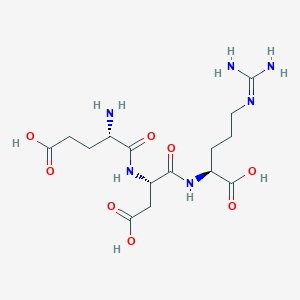
Pinealon (Glu-Asp-Arg) is a synthetic tripeptide bioregulator originally isolated from Cortexin, a neuroprotective polypeptide complex derived from bovine brain cortex. This ultrashort peptide consists of just three amino acids—glutamic acid, aspartic acid, and arginine—with a molecular weight of approximately 418 daltons. Discovered through Russian peptide research programs, Pinealon represents a novel class of bioactive compounds classified as "peptide bioregulators" or "cytomedins" that exhibit organ-specific regulatory properties.
Unlike conventional peptides that operate through cell surface or cytoplasmic receptor interactions, Pinealon demonstrates a distinctive mechanism of action involving direct genomic interaction. Due to its exceptionally small molecular size and specific amino acid composition, the peptide can penetrate lipid bilayers and traverse both cellular and nuclear membranes. Fluorescence-labeled peptide studies in HeLa cell cultures have confirmed Pinealon's ability to enter the cell nucleus and interact directly with DNA sequences, particularly binding to specific nucleotide motifs in gene promoter regions.
This direct DNA interaction enables Pinealon to function as a transcriptional regulator, modulating gene expression patterns associated with neuronal survival, oxidative stress response, and cellular metabolism. The peptide's mechanism involves binding to promoter regions of genes encoding critical enzymes and proteins, thereby influencing their expression levels without requiring traditional receptor-mediated signaling cascades. This genomic regulatory approach distinguishes Pinealon from most bioactive peptides and underlies its broad spectrum of biological effects.
Pinealon demonstrates particular selectivity for the central nervous system, especially the pineal gland and cerebral cortex, though research indicates its effects extend to multiple tissue types including skeletal muscle, cardiac tissue, and skin. The peptide's name derives from its affinity for the pineal gland, a small endocrine structure responsible for melatonin production, circadian rhythm regulation, and various neuroendocrine functions. By optimizing pineal gland function, Pinealon influences sleep-wake cycles, mood regulation, and age-related physiological processes.
Research has established that Pinealon functions through multiple interconnected pathways: direct genomic regulation via DNA binding, modulation of MAPK/ERK signaling cascades, enhancement of antioxidant enzyme systems, regulation of caspase-3 apoptotic pathways, and stimulation of irisin and serotonin synthesis. These mechanisms collectively contribute to the peptide's neuroprotective, metabolic, and anti-aging properties documented in preclinical studies.
Pinealon Structure
Chemical Structure
2D Structure
3D Structure

Chemical Properties
| CAS Number | 175175-23-2 |
|---|---|
| Molecular Formula | C15H26N6O8 |
| Molecular Weight | 418.40 g/mol |
| IUPAC Name |
(4S)-4-amino-5-[[(2S)-3-carboxy-1-[[(1S)-1-carboxy-4-(diaminomethylideneamino)butyl]amino]-1-oxopropan-2-yl]amino]-5-oxopentanoic acid
|
| InChIKey | QPRZKNOOOBWXSU-CIUDSAMLSA-N |
Pinealon Research
Cognitive Enhancement and Learning Preservation
Research demonstrates Pinealon significantly enhances cognitive function and protects learning capacity under metabolic stress conditions. A controlled study published in Neurochemical Journal examined Pinealon's effects on spatial learning in rats with streptozotocin-induced diabetes using the Morris water maze paradigm. Animals receiving Pinealon at 100 ng/kg demonstrated dose-dependent preservation of previously acquired spatial navigation skills despite diabetic conditions that typically impair cognitive performance.
The cognitive benefits correlate with Pinealon's modulation of N-methyl-D-aspartate (NMDA) receptor subunit expression in the hippocampus, a brain region critical for learning and memory formation. Molecular analysis revealed that Pinealon treatment optimized the Grin2a/Grin2b subunit ratio compared to untreated diabetic controls, indicating improved receptor composition favorable for synaptic plasticity and memory consolidation. This modulation of NMDA receptors helps maintain glutamatergic neurotransmission essential for learning processes.
Studies in aging rat models show Pinealon enhances cognitive parameters under hypoxic stress conditions by activating innate antioxidant enzyme systems and reducing NMDA-mediated excitotoxicity. The peptide's ability to limit excessive NMDA receptor activation provides neuroprotection during conditions that would otherwise cause neuronal damage, such as traumatic brain injury, ischemic stroke, or alcohol withdrawal-induced neurotoxicity.
Research in prenatal hyperhomocysteinemia models demonstrates that Pinealon administration to pregnant rats significantly improved offspring cognitive function and motor coordination despite elevated homocysteine levels that typically impair brain development. Offspring from Pinealon-treated mothers showed enhanced spatial orientation and learning ability in behavioral testing, indicating the peptide's protective effects on developing neural systems.
Sources:
- Karantysh GV, et al. "Effect of Pinealon on Learning and Expression of NMDA Receptor Subunit Genes in the Hippocampus of Rats with Experimental Diabetes." Neurochemical Journal. 2020;14(3):314-320. https://link.springer.com/article/10.1134/S181971242003006X
- Arutjunyan A, et al. "Pinealon protects the rat offspring from prenatal hyperhomocysteinemia." International Journal of Clinical and Experimental Medicine. 2012;5(2):179-185. https://pmc.ncbi.nlm.nih.gov/articles/PMC3342713/
- Kozina LS. "Investigation of antihypoxic properties of short peptides." Advances in Gerontology. 2008;21(1):61-67. https://pubmed.ncbi.nlm.nih.gov/18546825/
Neuroprotection and Oxidative Stress Reduction
Pinealon demonstrates potent neuroprotective effects through multiple mechanisms targeting oxidative stress and cell death pathways. Research published in Rejuvenation Research shows that Pinealon exhibits dose-dependent restriction of reactive oxygen species (ROS) accumulation in cerebellar granule cells, neutrophils, and pheochromocytoma (PC12) cells when exposed to oxidative stress induced by both receptor-dependent and receptor-independent processes.
The peptide significantly reduces necrotic cell death measured by propidium iodide testing, indicating improved cell viability under oxidative stress conditions. This protective effect involves delayed activation of the ERK 1/2 signaling pathway and modification of the cell cycle. Importantly, ROS restriction and reduced cell mortality occur at lower Pinealon concentrations, while cell cycle modulation continues at higher concentrations, demonstrating that the peptide interacts directly with cellular genomic machinery beyond its antioxidant properties.
Pinealon's neuroprotective mechanism operates through the MAPK/ERK signaling pathway, which regulates neuronal plasticity and cellular stress responses. The peptide reduces synthesis of ROS at the cellular level, and since ROS serve as messengers to MAPK and ERK pathways, this reduction attenuates pathway activation and prevents cellular stress that would otherwise lead to apoptosis. This dual action—reducing oxidative stress while preventing apoptosis—makes Pinealon particularly effective for neuronal protection.
Studies demonstrate Pinealon enhances glutathione peroxidase activity and other antioxidant enzyme systems, providing comprehensive protection against oxidative damage. The peptide reduces levels of hydroperoxides and exhibits ability to directly neutralize primary products of lipid peroxidation, with protective effects extending proportionally to increasing peptide concentrations.
Sources:
- Khavinson V, et al. "Pinealon increases cell viability by suppression of free radical levels and activating proliferative processes." Rejuvenation Research. 2011;14(5):535-541. https://pubmed.ncbi.nlm.nih.gov/21978084/
- Khavinson VKh, et al. "EDR Peptide: Possible Mechanism of Gene Expression and Protein Synthesis Regulation Involved in the Pathogenesis of Alzheimer's Disease." Molecules. 2021;26(1):159. https://pmc.ncbi.nlm.nih.gov/articles/PMC7795577/
Metabolic Enhancement and Fat Loss Support
Pinealon influences metabolic processes through modulation of irisin expression, a hormone synthesized in skeletal muscle and adipose tissue with significant effects on energy metabolism and body composition. Research indicates Pinealon alters gene expression responsible for irisin synthesis, extending the enzyme's lifespan and resulting in elevated irisin levels that promote metabolic benefits similar to those achieved through physical exercise.
Irisin functions as an exercise-mimetic hormone that converts metabolically inactive white adipose tissue into metabolically active brown adipose tissue, significantly increasing thermogenesis and overall energy expenditure. This browning of white fat enhances the body's capacity to oxidize stored fat for energy, supporting fat loss while maintaining lean tissue. Studies suggest Pinealon's ability to elevate irisin expression mimics molecular-level effects of physical exertion, activating adaptive metabolic processes without requiring actual exercise.
The metabolic benefits extend beyond fat oxidation to include protection of muscle cells during physical exertion, enhanced mitochondrial function, and improved glucose metabolism. Research demonstrates that elevated irisin levels are directly linked to improved metabolic flexibility—the capacity to efficiently switch between carbohydrate and fat oxidation based on metabolic demands.
Pinealon's influence on irisin has particular therapeutic relevance for populations with limited mobility, elderly individuals, or those with neurodegenerative conditions where physical activity is restricted but metabolic support remains essential. By activating exercise-related signaling pathways at the cellular level, Pinealon provides metabolic benefits that would otherwise require sustained physical training.
Sources:
- Khavinson VKh, et al. "Short Peptides and Telomere Length Regulator Hormone Irisin." Bulletin of Experimental Biology and Medicine. 2016;160(3):347-349. https://pubmed.ncbi.nlm.nih.gov/26742748/
- Meshchaninov VN, et al. "Synthetic peptides and aging." Advances in Gerontology. 2015;28(3):432-439. https://pubmed.ncbi.nlm.nih.gov/26390612/
Mood Support and Serotonin Enhancement
Research demonstrates Pinealon enhances serotonin synthesis through epigenetic modulation of tryptophan hydroxylase (TPH) expression in brain cortex cells. Studies using molecular docking simulations indicate Pinealon exhibits stable binding interactions with DNA in the promoter region of the TPH gene, the rate-limiting enzyme responsible for converting tryptophan to serotonin. This direct genomic interaction leads to increased transcriptional activity of the TPH gene and elevated enzyme synthesis.
Laboratory studies in brain cortex cell cultures show Pinealon increases serotonin synthesis by approximately 1.9-fold compared to control groups, with this enhancement occurring through TPH1 activation rather than through serotonin reuptake inhibition mechanisms used by conventional antidepressant medications. This distinction is significant because TPH1 expression in the hypothalamus and pineal gland allows for endogenous serotonin production enhancement without the side effect profiles associated with selective serotonin reuptake inhibitors (SSRIs).
Research in aged rats subjected to mild hypothermia stress demonstrates that Pinealon treatment promotes accumulation of serotonin in the cerebral cortex, suggesting the peptide's ability to support neurotransmitter levels during metabolic stress conditions. The peptide's enhancement of serotonin—a neurotransmitter critical for mood regulation, sleep quality, and cognitive function—contributes to its geroprotective properties and mood-stabilizing effects.
Studies indicate Pinealon also promotes accumulation of adrenergic mediators in rat brains during acute hypobaric hypoxia models, further supporting its role in maintaining neurotransmitter balance under challenging physiological conditions. This comprehensive neurotransmitter support distinguishes Pinealon from single-target pharmaceutical interventions.
Sources:
- Khavinson VKh, et al. "Short peptides stimulate serotonin expression in cells of the brain cortex." Bulletin of Experimental Biology and Medicine. 2014;157(3):398-401. https://pubmed.ncbi.nlm.nih.gov/25110103/
- Linkova NS, et al. "[Pinealon and Cortexin influence on behavior and neurochemical processes in 18-month aged rats within hypoxia and hypothermia]." Advances in Gerontology. 2017;30(2):226-234. https://pubmed.ncbi.nlm.nih.gov/28509493/
Anti-Aging and Cellular Longevity
Pinealon demonstrates significant anti-aging properties through multiple mechanisms including telomere protection, reduction of cellular senescence markers, and optimization of age-related gene expression patterns. Research conducted in Russia examining cellular and metabolic aspects of geroprotection found that Pinealon exhibits anabolic effects in the central nervous system, improving function of brain tissue and other vital organs while slowing the rate of aging as measured by biological age indicators.
The anti-aging effects involve Pinealon's regulation of irisin expression, which research has linked to telomere length maintenance. Telomeres are protective DNA-protein structures at chromosome ends that shorten with each cell division, eventually leading to cellular senescence when critically shortened. Studies demonstrate that plasma irisin levels are directly correlated with telomere length in healthy adults, and that elevated irisin—as promoted by Pinealon—supports telomere stability and extends cellular lifespan.
Research indicates that beyond its effects in the central nervous system, Pinealon influences cellular aging processes throughout the body. The peptide's ability to modulate irisin expression in muscle cells provides systemic anti-aging benefits, as irisin has been detected not only in muscle tissue but also in the brain, where it appears to stimulate genes in the hippocampus critical for neuronal function and cognitive health.
Studies show Pinealon treatment does not affect the degree of chromatin condensation, demonstrating the peptide's safety at the genetic level while providing geroprotective benefits. The peptide's direct interaction with DNA allows it to regulate expression of genes involved in cellular stress response, protein quality control, and metabolic adaptation—all critical factors in healthy aging.
Importantly, research demonstrates that Pinealon's mechanisms align with calorie restriction, one of the few interventions reliably shown to extend lifespan in laboratory models. The peptide's support of irisin levels mimics some metabolic adaptations seen with calorie restriction, potentially providing longevity benefits through enhanced metabolic efficiency and cellular resilience.
Sources:
- Meshchaninov VN, et al. "Effect of synthetic peptides on aging of patients with chronic polymorbidity and organic brain syndrome of the central nervous system in remission." Advances in Gerontology. 2015;28(1):62-67. https://pubmed.ncbi.nlm.nih.gov/26390612/
- Khavinson VKh, et al. "Short Peptides and Telomere Length Regulator Hormone Irisin." Bulletin of Experimental Biology and Medicine. 2016;160(3):347-349. https://pubmed.ncbi.nlm.nih.gov/26742748/
- Rana KS, et al. "Plasma irisin levels predict telomere length in healthy adults." Age. 2014;36(2):995-1001. https://pubmed.ncbi.nlm.nih.gov/24122288/
Cardiovascular and Tissue Repair
Pinealon demonstrates protective effects on cardiovascular tissue and supports regenerative processes through modulation of caspase-3, a key enzyme that initiates programmed cell death (apoptosis). Research in animal models of ischemic stroke shows that Pinealon alters cytokine signaling pathways, leading to reduced caspase-3 enzyme levels in neural tissue subjected to oxygen deprivation. By modulating caspase-3 activity, Pinealon potentially disrupts apoptotic pathways and mitigates cellular damage caused by ischemia.
The protective effects of caspase-3 modulation extend beyond neurological tissue. Studies using myocardial infarction models indicate that Pinealon exposure contributes to reduction of caspase-3 levels following cardiac events, suggesting relevance for mitigating long-term cardiac remodeling associated with post-myocardial infarction dysfunction. This cardioprotective effect helps preserve viable cardiac tissue during recovery from ischemic injury.
Research demonstrates that Pinealon's suppression of caspase-3 expression occurs in epidermal cells as well, where decreased apoptosis supports cell proliferation and regenerative processes. By reducing programmed cell death in skin tissue, Pinealon appears to promote tissue repair and cellular resilience during wound healing and recovery from dermal damage.
Studies in aging models show Pinealon reduces pro-inflammatory cytokines including interleukin-6 (IL-6), interleukin-1β (IL-1β), and tumor necrosis factor-alpha (TNF-α), which are implicated in cardiovascular inflammation and age-related tissue dysfunction. This anti-inflammatory effect, combined with caspase-3 modulation, provides comprehensive tissue protection during metabolic stress and supports maintenance of tissue integrity across multiple organ systems.
The peptide's ability to protect against oxidative stress while reducing inflammation and apoptosis creates a favorable environment for tissue repair and regeneration, making Pinealon relevant for recovery from various forms of tissue damage including cardiovascular events, neurological injury, and dermal wounds.
Sources:
- Mendzheritskiĭ AM, et al. "Regulation of cytokines and caspase-3 activity in rat models with Cortexin and Pinealon." Advances in Gerontology. 2014;27(1):54-60. https://pubmed.ncbi.nlm.nih.gov/24902640/
- Khavinson V, et al. "Pinealon increases cell viability by suppression of free radical levels and activating proliferative processes." Rejuvenation Research. 2011;14(5):535-541. https://pubmed.ncbi.nlm.nih.gov/21978084/
Circadian Rhythm and Sleep Optimization
Pinealon demonstrates regulatory effects on circadian rhythm and sleep-wake cycles through its selective action on the pineal gland, the endocrine structure responsible for melatonin production and circadian regulation. Research suggests Pinealon resets the pineal gland to baseline functional states during conditions of circadian disruption caused by shift work, long-distance travel, or age-related pineal dysfunction.
Studies indicate that optimizing pineal gland function through Pinealon treatment leads to more regulated sleep patterns, improved mood stability, normalized blood pressure fluctuations related to circadian rhythms, and enhanced overall behavioral regulation. The pineal gland undergoes structural changes with aging, including calcification and reduced functional capacity, which contributes to sleep disturbances and altered circadian rhythms in elderly populations. By supporting pineal gland function, Pinealon addresses one of the root causes of age-related sleep dysfunction.
The circadian regulatory effects have broader implications for metabolic health, as disrupted sleep patterns have been linked to impaired glucose metabolism, increased inflammation, reduced cardiovascular function, and accelerated aging processes. Research indicates that Pinealon's ability to optimize sleep-wake cycles may support physiological functioning at a systemic level by restoring proper circadian alignment.
Furthermore, the peptide's enhancement of serotonin synthesis contributes to sleep quality, as serotonin serves as a precursor for melatonin production in the pineal gland. This integrated approach—supporting both the pineal gland structure and the neurotransmitter precursors for melatonin synthesis—provides comprehensive circadian rhythm support.
Sources:
- Bashkireva AS, et al. "Peptide correction of neurotic disorders among professional truck drivers." Advances in Gerontology. 2012;25(2):312-318. https://pubmed.ncbi.nlm.nih.gov/23113276/
- Linkova NS, et al. "[Pinealon and Cortexin influence on behavior and neurochemical processes in 18-month aged rats within hypoxia and hypothermia]." Advances in Gerontology. 2017;30(2):226-234. https://pubmed.ncbi.nlm.nih.gov/28509493/