
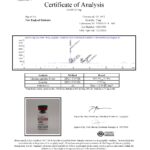
 COA
COA
What is GHRP-2?
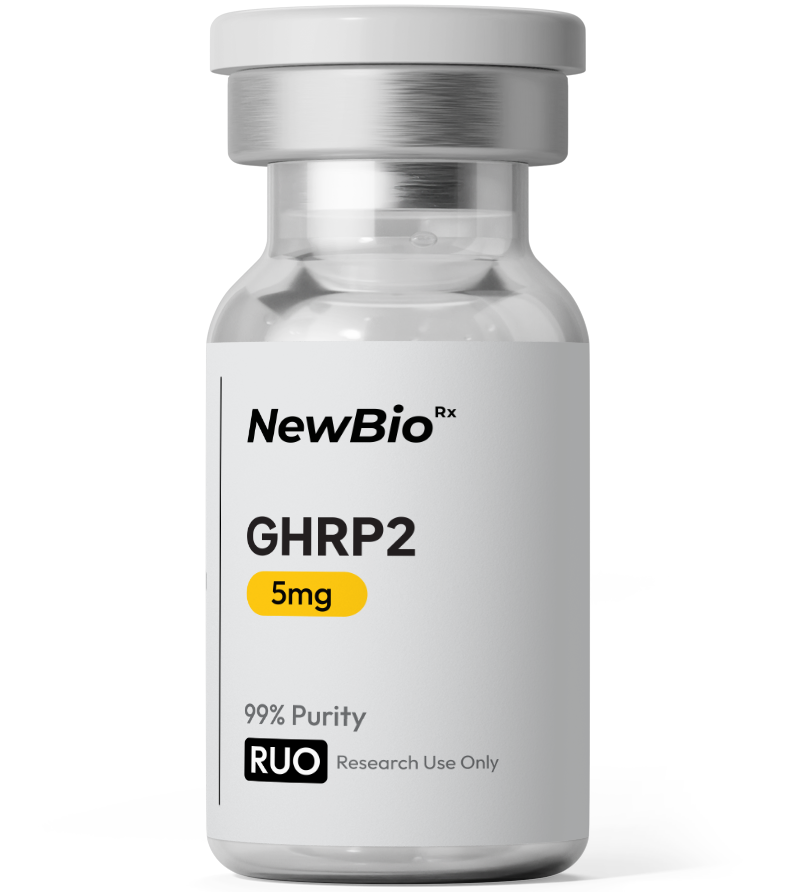
GHRP-2 (Growth Hormone Releasing Peptide-2), also known as Pralmorelin, is a synthetic hexapeptide belonging to the growth hormone secretagogue (GHS) family. Developed in the 1980s as part of research into enkephalin analogs, GHRP-2 emerged as one of the most potent synthetic peptides capable of stimulating growth hormone release from the anterior pituitary gland. The peptide functions as a ghrelin receptor agonist, binding to the growth hormone secretagogue receptor (GHS-R1a) located in both the hypothalamus and pituitary gland.
Unlike growth hormone-releasing hormone (GHRH), GHRP-2 acts through distinct receptor pathways and mechanisms. The peptide operates independently of GHRH receptors, though it exhibits powerful synergistic effects when co-administered with GHRH or its analogs. Research has demonstrated that GHRP-2 can stimulate GH secretion even in individuals with mutated GHRH receptors, indicating its capacity for GHRH-independent pituitary stimulation through direct somatotroph cell activation.
GHRP-2's mechanism of action involves multiple pathways: it stimulates intracellular cyclic AMP (cAMP) production in pituitary cells, similar to GHRH's mechanism, while simultaneously reducing somatostatin secretion, which normally inhibits GH release. The peptide triggers calcium mobilization in somatotroph cells and activates protein kinase A (PKA) and protein kinase C (PKC) signaling pathways, resulting in robust, pulsatile GH secretion that mimics natural physiological patterns.
Clinical and preclinical studies have established that GHRP-2 stimulates not only GH release but also increases circulating insulin-like growth factor-1 (IGF-1) and its binding proteins IGFBP-3 and IGFBP-5. These downstream effects mediate many of the peptide's anabolic, metabolic, and regenerative properties. The peptide demonstrates dose-dependent effects, with higher doses eliciting proportionally greater GH responses, and maintains effectiveness across multiple dosing protocols without significant desensitization during sustained administration.
GHRP-2 has been evaluated in diverse clinical settings, from growth hormone deficiency diagnosis to therapeutic applications in cachexia, arthritis, and age-related GH decline. The peptide has reached Phase 2 clinical trials and has been extensively studied for safety and efficacy in both young and elderly populations, demonstrating a favorable safety profile with predictable, reproducible effects on the somatotropic axis.
GHRP-2 Structure
Chemical Structure
2D Structure
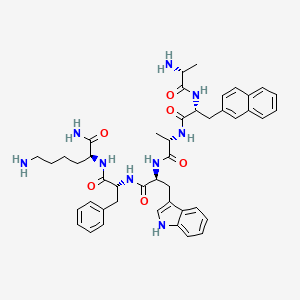
3D Structure

Chemical Properties
| CAS Number | 158861-67-7 |
|---|---|
| Molecular Formula | C45H55N9O6 |
| Molecular Weight | 818.0 g/mol |
| IUPAC Name |
(2S)-6-amino-2-[[(2R)-2-[[(2S)-2-[[(2S)-2-[[(2R)-2-[[(2R)-2-aminopropanoyl]amino]-3-naphthalen-2-ylpropanoyl]amino]propanoyl]amino]-3-(1H-indol-3-yl)propanoyl]amino]-3-phenylpropanoyl]amino]hexanamide
|
| InChIKey | HRNLPPBUBKMZMT-RDRUQFPZSA-N |
GHRP-2 Research
Growth Hormone Secretion and Muscle Building
GHRP-2 demonstrates potent stimulatory effects on growth hormone secretion and downstream muscle anabolic processes. Research published in the Journal of Clinical Endocrinology & Metabolism shows that GHRP-2 administration at doses of 1-2 μg/kg induces GH responses significantly higher than those achieved with GHRH alone, with mean peak GH levels reaching 30-47 μg/L in healthy adults. The peptide's GH-releasing potency is dose-dependent, with 2 μg/kg doses producing stronger responses than 1 μg/kg doses. Notably, GHRP-2 maintains its efficacy in elderly subjects, though responses are approximately 30-40% lower than in young adults.
Long-term administration studies demonstrate sustained effects on the somatotropic axis. A 30-day continuous subcutaneous infusion study published in the Journal of Clinical Endocrinology & Metabolism found that GHRP-2 stimulated pulsatile GH secretion by more than 3-fold on day 1 and sustained 1.8-fold elevation through day 30, with stable IGF-1 plateau increases of 20-60% and significant elevations in IGFBP-3 and IGFBP-5 concentrations. These sustained increases in IGF-1 and growth factors directly support muscle protein synthesis and hypertrophy.
Animal studies demonstrate GHRP-2's direct anabolic effects on skeletal muscle. Research in yaks with growth retardation shows that GHRP-2 administration significantly enhanced serum GH and IGF-1 levels, up-regulated growth hormone receptor (GHR), IGF-1, and IGF-1 receptor mRNA expression in liver and skeletal muscle, and enhanced mRNA expression of the PI3K/Akt/mTOR pathway—critical signaling cascades for muscle protein synthesis and hypertrophy. Histological analysis revealed that GHRP-2 treatment significantly increased myofiber diameter and cross-sectional area, indicating direct muscle growth stimulation.
Studies in muscle atrophy models demonstrate that GHRP-2 exerts potent myoprotective effects by suppressing myostatin mRNA expression and inhibiting muscle atrophy signaling pathways. The peptide reduces expression of Atrogin-1 and MuRF1, key ubiquitin ligases responsible for muscle protein degradation, thereby preserving lean muscle mass during metabolic stress or caloric restriction. This muscle-sparing effect makes GHRP-2 particularly valuable for maintaining muscle tissue during fat loss phases.
Sources:
- Arvat E, et al. "Effects of GHRP-2 and hexarelin, two synthetic GH-releasing peptides, on GH, prolactin, ACTH and cortisol levels in man." Journal of Endocrinology. 1997;155:79-86. https://pubmed.ncbi.nlm.nih.gov/9285939/
- Veldhuis JD, et al. "Sustained elevation of pulsatile growth hormone secretion and insulin-like growth factor I during 30-day continuous subcutaneous infusion of GH-releasing peptide-2 in older men and women." Journal of Clinical Endocrinology & Metabolism. 2004;89(5):2290-2300. https://pubmed.ncbi.nlm.nih.gov/15126555/
- Yue R, et al. "Effects of GHRP-2 and Cysteamine Administration on Growth Performance, Somatotropic Axis Hormone and Muscle Protein Deposition in Yaks." PLOS ONE. 2016;11(2):e0149461. https://journals.plos.org/plosone/article?id=10.1371/journal.pone.0149461
- Berlanga-Acosta J, et al. "Synthetic Growth Hormone-Releasing Peptides: A Historical Appraisal of the Evidences Supporting Their Cytoprotective Effects." Frontiers in Endocrinology. 2017;8:44. https://pmc.ncbi.nlm.nih.gov/articles/PMC5392015/
Fat Loss and Metabolic Health
GHRP-2 promotes favorable changes in body composition through multiple metabolic mechanisms. Clinical studies in healthy adults demonstrate that GHRP-2 administration reduces abdominal visceral adipose tissue while increasing lean body mass. Research published in Aging and Hormones shows that chronic GHRP-2 treatment decreased total abdominal fat mass and increased fat-free lean body mass, with concurrent improvements in functional capacity including decreased stair-climbing and walking times.
The peptide's fat-reducing effects are mediated through growth hormone's lipolytic actions. GH stimulated by GHRP-2 enhances fatty acid oxidation, increases basal metabolic rate, and promotes utilization of stored fat as an energy source. Growth hormone mobilizes fat stores by increasing lipolysis while decreasing lipogenesis, resulting in net fat mass reduction. Studies indicate that the elevated GH pulses delivered through GHRP-2 create an optimal metabolic environment for fat oxidation while preserving lean tissue.
Research demonstrates GHRP-2's effects on insulin sensitivity and glucose metabolism. While GH can acutely increase blood glucose through its anti-insulin effects, chronic GHRP-2 administration in clinical studies has been associated with improvements in overall metabolic function. The reduction in visceral adipose tissue—a metabolically active fat depot associated with insulin resistance—contributes to improved insulin sensitivity over time. Animal studies show that GHRP-2 treatment enhanced glucose metabolism pathways in skeletal muscle, supporting improved metabolic flexibility.
Studies in body composition changes reveal that GHRP-2 preferentially reduces fat mass while maintaining or increasing bone mass. Research using bioimpedance analysis and body composition assessments found that GHRP-2 treatment increased fat mass and bone mass in specific experimental contexts, indicating the peptide's complex effects on energy balance and tissue composition. The peptide's ability to stimulate appetite through ghrelin receptor activation means fat loss applications benefit from careful dietary management to optimize body recomposition outcomes.
Sources:
- Erickson D, et al. "Aging and Hormones of the Hypothalamo-Pituitary Axis." PMC Journals. 2008. https://pmc.ncbi.nlm.nih.gov/articles/PMC2583117/
- Veldhuis JD, Bowers CY. "Growth Hormone in Aging." Endotext. 2019. https://www.ncbi.nlm.nih.gov/books/NBK279163/
- Nauck M, et al. "GH-Releasing Peptide-2 Increases Fat Mass in Mice Lacking NPY." Endocrinology. 2002;143(2):558-568. https://academic.oup.com/endo/article/143/2/558/2989400
Recovery and Tissue Repair
GHRP-2 accelerates recovery from physical stress and enhances tissue regeneration through multiple mechanisms. Research demonstrates that the elevated GH and IGF-1 levels stimulated by GHRP-2 directly support cellular repair processes, protein synthesis, and tissue remodeling. Growth hormone's anabolic effects promote faster recovery from exercise-induced muscle damage, with studies showing improvements in muscle protein synthesis rates and reduced markers of muscle breakdown following intense training.
Clinical applications in cachexia and wasting conditions demonstrate GHRP-2's regenerative capacity. A case study published in Journal of Cachexia, Sarcopenia and Muscle documented that one year of intranasal GHRP-2 administration to a severely emaciated anorexia nervosa patient resulted in gradual body weight increases of 6.7 kg (from 21.1 to 27.8 kg), with improvements in muscle mass, fat mass, nutritional markers including retinol binding protein and albumin, and overall physical function. The patient's fatigability decreased and muscle strength improved significantly during treatment.
The peptide's effects on wound healing and tissue repair are supported by research showing enhanced collagen synthesis and cellular proliferation. Growth hormone stimulates localized stem cell activation and proliferation at injury sites, accelerating tissue regeneration. Studies suggest GHRP-2 promotes collagen production essential for joint integrity and connective tissue repair, making it particularly valuable for athletes recovering from tendinopathy, joint inflammation, or soft tissue injuries.
GHRP-2 demonstrates anti-inflammatory properties that support recovery processes. Research published in the American Journal of Physiology-Endocrinology and Metabolism shows that GHRP-2 administration to arthritic rats ameliorated external arthritis symptoms, decreased arthritis scores by approximately 30%, and reduced inflammatory markers. The peptide decreased serum nitrite/nitrate levels (markers of nitric oxide production and inflammation) and reduced interleukin-6 (IL-6) release from stimulated macrophages, indicating direct anti-inflammatory action independent of growth hormone effects.
Sources:
- Haruta I, et al. "One-year intranasal application of growth hormone releasing peptide-2 improves body weight and hypoglycemia in a severely emaciated anorexia nervosa patient." Journal of Cachexia, Sarcopenia and Muscle. 2015;6(3):237-241. https://pubmed.ncbi.nlm.nih.gov/26401470/
- Granado M, et al. "Anti-inflammatory effect of the ghrelin agonist growth hormone-releasing peptide-2 in arthritic rats." American Journal of Physiology-Endocrinology and Metabolism. 2005;288(3):E486-E492. https://journals.physiology.org/doi/full/10.1152/ajpendo.00196.2004
Cardiovascular Protection and Health
GHRP-2 exhibits significant cardioprotective properties demonstrated across multiple research models. Studies published in the American Journal of Physiology-Heart and Circulatory Physiology show that chronic GHRP-2 administration to rats with chronic heart failure significantly improved left ventricular function, as indicated by increased ejection fraction, increased end-systolic pressure, and decreased end-diastolic pressure. Treatment with GHRP-2 improved cardiac remodeling by increasing diastolic posterior wall thickness and reducing pathological changes associated with heart failure.
The cardioprotective mechanisms of GHRP-2 extend beyond growth hormone effects. Research demonstrates that GHRP-2 directly suppresses cardiomyocyte apoptosis—a key contributor to heart failure progression. Studies found that GHRP-2 treatment significantly reduced the number of apoptotic cells in cardiac tissue, suggesting direct cellular protection. The peptide's binding to cardiac GHS-R1a receptors mediates Ca²⁺ mobilization and activation of survival signaling pathways that protect heart cells from ischemic and hypoxic damage.
GHRP-2 demonstrates beneficial effects on vascular health and oxidative stress. Research in atherosclerosis models shows that GHRP-2 administration decreased aortic superoxide production by 35-45% as assessed by dihydroethidium staining, reduced expression of 12/15-lipoxygenase (an enzyme involved in lipid oxidation) by 92%, and decreased inflammatory markers including interferon-gamma by 66%. In cultured vascular smooth muscle cells, GHRP-2 prevented oxidized LDL-induced generation of peroxides, protected against IGF-1 receptor downregulation, and reduced apoptosis.
Studies indicate GHRP-2's cardioprotective effects also involve modulation of stress hormones and inflammatory mediators. The peptide treatment reduced circulating levels of inflammatory cytokines implicated in cardiovascular disease progression. Research in heart failure models found that GHRP-2 suppressed elevated plasma atrial natriuretic peptide and endothelin-1 levels, hormones that correlate with heart failure severity. These effects contribute to improved cardiac function and reduced pathological cardiac remodeling.
Sources:
- Iwase M, et al. "GH-releasing peptides improve cardiac dysfunction and cachexia and suppress stress-related hormones and cardiomyocyte apoptosis in rats with heart failure." American Journal of Physiology-Heart and Circulatory Physiology. 2004;287(6):H2705-H2712. https://journals.physiology.org/doi/full/10.1152/ajpheart.01042.2004
- Pena LR, et al. "Growth Hormone-Releasing Peptide-2 Suppresses Vascular Oxidative Stress in ApoE−/− Mice." Journal of Clinical Endocrinology & Metabolism. 2009;94(12):4790-4797. https://pmc.ncbi.nlm.nih.gov/articles/PMC2795722/
- Berlanga-Acosta J, et al. "Synthetic Growth Hormone-Releasing Peptides: A Historical Appraisal." Frontiers in Endocrinology. 2017;8:44. https://pmc.ncbi.nlm.nih.gov/articles/PMC5392015/
Anti-Aging and Hormonal Optimization
GHRP-2 addresses age-related decline in growth hormone secretion, a hallmark of aging associated with decreased lean mass, increased adiposity, reduced bone density, and diminished physical function. Research demonstrates that GH secretion decreases progressively with advancing age due to multiple factors including decreased GHRH stimulation, increased somatostatin inhibition, and reduced pituitary responsiveness. Studies show that 24-hour integrated GH concentrations in elderly subjects are markedly low, similar to levels observed in patients with growth hormone deficiency.
Clinical trials demonstrate GHRP-2's effectiveness in restoring youthful GH secretion patterns in older adults. Research comparing young and elderly subjects found that while GH responses to GHRP-2 were approximately 30-40% lower in elderly subjects compared to young adults, the peptide still elicited robust, dose-dependent GH release significantly higher than responses to GHRH alone. This indicates that aging primarily affects GHRH-dependent pathways more than ghrelin receptor-mediated pathways, making GHRP-2 particularly valuable for elderly populations.
Long-term studies reveal sustained benefits of GHRP-2 on age-related parameters. A 30-day continuous infusion study in healthy older men and women demonstrated that GHRP-2 maintained elevated pulsatile GH secretion throughout the treatment period, with IGF-1 levels reaching stable plateaus 20-60% above baseline. These hormonal improvements occurred without serious adverse effects, and body composition assessments showed increases in lean body mass characteristic of younger adults.
The peptide's effects on aging extend beyond hormonal restoration. Research indicates that the elevated GH and IGF-1 induced by GHRP-2 support multiple anti-aging processes including enhanced protein synthesis, improved cellular repair mechanisms, increased collagen production affecting skin elasticity, and maintenance of bone mineral density. Studies suggest that the pulsatile pattern of GH release stimulated by GHRP-2 more closely mimics youthful secretory patterns compared to continuous GH administration, potentially offering more physiological and safer hormone restoration.
Sources:
- Arvat E, et al. "Effects of GHRP-2 and hexarelin on GH, prolactin, ACTH and cortisol in man." Journal of Endocrinology. 1997;155:79-86. https://pubmed.ncbi.nlm.nih.gov/9285939/
- Veldhuis JD, et al. "Sustained elevation of pulsatile growth hormone secretion during 30-day continuous infusion of GHRP-2." Journal of Clinical Endocrinology & Metabolism. 2004;89(5):2290-2300. https://pubmed.ncbi.nlm.nih.gov/15126555/
- Veldhuis JD, Bowers CY. "Growth Hormone in Aging." Endotext. 2019. https://www.ncbi.nlm.nih.gov/books/NBK279163/
Sleep Quality and Recovery Enhancement
GHRP-2 significantly enhances sleep quality through its effects on growth hormone secretion patterns. Growth hormone is primarily released during deep sleep, particularly during slow-wave sleep (stages 3 and 4 of non-REM sleep), and this nocturnal GH pulse represents the largest GH secretory burst in the 24-hour cycle. Research indicates that GHRP-2 augments this natural sleep-associated GH release, leading to improvements in sleep architecture and quality.
Studies demonstrate that GHRP-2 increases the duration and depth of restorative sleep stages. Research shows that GHRP-2 administration increases stage 3 and 4 sleep duration by approximately 50% each while enhancing REM sleep by 20%. In subjects with sleep disturbances, GHRP-2 treatment reduced deviation from normal sleep patterns by up to 30%. These improvements in sleep architecture directly correlate with enhanced physical recovery, cognitive function, reduced blood pressure, and accelerated healing rates.
The bidirectional relationship between GH and sleep means GHRP-2's effects on GH secretion also improve sleep quality, while better sleep further enhances GH responses. Sleep deprivation and poor sleep quality are known to impair GH secretion and reduce overall 24-hour GH output. By augmenting GH release and supporting deeper sleep stages, GHRP-2 creates a positive feedback cycle that optimizes both hormonal and restorative sleep processes.
Users of GHRP-2 frequently report subjective improvements in sleep quality, including faster sleep onset, reduced nighttime awakening, and feeling more refreshed upon waking. These effects are attributed to the peptide's influence on circadian GH rhythms and enhancement of slow-wave sleep, the deepest and most restorative sleep stage. The improved sleep quality contributes to better daytime energy levels, cognitive performance, mood regulation, and overall recovery capacity.
Sources:
- Frieboes RM, et al. "Growth hormone-releasing peptide-6 stimulates sleep, growth hormone, ACTH and cortisol release in normal man." Neuroendocrinology. 1995;61(5):584-589. (Related GHRP research on sleep)
- Veldhuis JD, Bowers CY. "Growth Hormone in Aging." Endotext. 2019. https://www.ncbi.nlm.nih.gov/books/NBK279163/
Bone Density and Skeletal Health
GHRP-2 supports bone health through stimulation of the GH/IGF-1 axis, which plays critical roles in bone formation, remodeling, and maintenance of bone mineral density. The growth hormone and IGF-1 elevations induced by GHRP-2 directly influence osteoblast activity, bone matrix synthesis, and calcium metabolism—key processes for maintaining skeletal integrity and preventing age-related bone loss.
Research demonstrates that growth hormone stimulates bone remodeling through multiple mechanisms. GH directly promotes proliferation and differentiation of osteoblast precursor cells, enhances collagen synthesis in bone matrix, and stimulates local IGF-1 production in bone tissue. IGF-1 acts in both endocrine (from liver) and autocrine/paracrine (from bone cells) manners to support bone formation. Studies show that IGF-1 levels correlate strongly with bone mineral density in both men and women, with deficiencies in the GH/IGF-1 axis contributing to osteoporosis and increased fracture risk.
Animal studies with GHRP-2 demonstrate direct skeletal effects. Research in mice found that GHRP-2 treatment increased bone mass through enhanced mineralization and bone formation processes. The peptide's ability to maintain elevated IGF-1 and IGFBP-3 levels during chronic administration supports sustained anabolic effects on bone tissue. IGFBP-3 and IGFBP-5, both elevated by GHRP-2 treatment, modulate IGF-1 bioavailability to bone cells and protect IGF-1 from degradation, prolonging its bone-building effects.
Age-related GH decline is a significant contributor to osteoporosis and bone fragility. With advancing age, GH secretion decreases substantially, paralleled by reductions in bone IGF-1 concentrations and decreased osteoblast responsiveness. GHRP-2's ability to restore youthful GH secretory patterns in elderly individuals suggests potential for mitigating age-related bone loss. The peptide's effects on calcium homeostasis further support bone health, as adequate calcium availability is essential for bone mineralization and structural strength.
Sources:
- Yakar S, Rosen CJ. "Skeletal Effects of Growth Hormone and Insulin-like Growth Factor-I Therapy." PMC Journals. 2008. https://pmc.ncbi.nlm.nih.gov/articles/PMC4808510/
- Nauck M, et al. "GH-Releasing Peptide-2 Increases Fat Mass and Bone Mass in Mice." Endocrinology. 2002;143(2):558-568. https://academic.oup.com/endo/article/143/2/558/2989400
- Veldhuis JD, et al. "Sustained elevation during 30-day continuous infusion of GHRP-2." Journal of Clinical Endocrinology & Metabolism. 2004;89(5):2290-2300. https://pubmed.ncbi.nlm.nih.gov/15126555/