What is Thymosin Beta-4?
Thymosin Beta-4 (Tβ4), commonly referred to as TB-500 in its synthetic form, is a naturally occurring regenerative peptide originally isolated from thymic tissue in the 1960s. This 43-amino acid, water-soluble peptide is found in high concentrations throughout the human body, particularly in blood platelets, wound fluid, and virtually all cell types except red blood cells. TB-500 represents the most abundant member of the beta-thymosin family, accounting for 70-80% of all beta-thymosins in the human body.
As the major actin-sequestering protein in mammalian cells, TB-500 plays a fundamental role in regulating cellular structure, movement, and division through its interactions with G-actin (globular actin). However, extensive research has revealed that TB-500's biological functions extend far beyond actin regulation, demonstrating remarkable regenerative, anti-inflammatory, and protective properties when present in extracellular spaces.
The peptide's amino acid sequence (SDKPDMAEIEKFDKSKLKKTETQEKNPLPSKETIEQEKQAGES) contains multiple bioactive regions that mediate distinct therapeutic effects. The first four amino acids regulate anti-inflammatory and antifibrotic activities, while amino acids 1-15 inhibit apoptosis and reduce cellular damage. The central LKKTET sequence serves as the primary actin-binding motif, though research indicates the entire peptide length contributes to its diverse biological activities.
TB-500 demonstrates powerful wound healing capabilities by promoting cell migration, angiogenesis (new blood vessel formation), and tissue remodeling while simultaneously reducing inflammation and preventing excessive scar formation. The peptide is naturally upregulated at injury sites and is released from platelets and immune cells during the healing process, suggesting an intrinsic role in the body's repair mechanisms.
Research has identified TB-500's therapeutic potential across multiple systems including dermal wounds, skeletal and cardiac muscle, nervous tissue, corneal injuries, and various organs. The peptide enhances survival of cardiomyocytes, promotes epicardial progenitor cell activation for cardiac regeneration, facilitates skeletal muscle fiber regeneration, and demonstrates neuroprotective effects following stroke and traumatic brain injury. Its ability to modulate immune responses while promoting tissue repair makes it particularly valuable for conditions involving both inflammation and tissue damage.
Chemical Identity
The compound is characterized by its unique molecular structure and specific chemical properties that make it valuable for research applications.Purity & Quality
Our Thymosin Beta-4 is provided at research-grade purity, suitable for laboratory applications and experimental protocols. Each batch undergoes quality control testing to ensure consistency and reliability for your research needs. Important: This product is intended for research purposes only and is not for human or veterinary use. It is sold for laboratory and scientific investigation only.Thymosin Beta-4 Structure
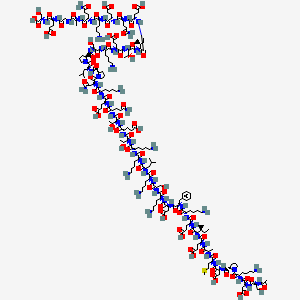
Chemical Structure
2D Structure
3D Structure

Chemical Properties
| CAS Number | 77591-33-4 |
|---|---|
| Molecular Formula | C212H350N56O78S |
| Molecular Weight | 4963 g/mol |
| IUPAC Name |
(4S)-4-[[2-[[(2S)-2-[[(2S)-2-[[(2S)-2-[[(2S)-2-[[(2S)-2-[[(2S)-2-[[(2S,3S)-2-[[(2S,3R)-2-[[(2S)-2-[[(2S)-2-[[(2S)-2-[[(2S)-1-[(2S)-2-[[(2S)-1-[(2S)-2-[[(2S)-2-[[(2S)-2-[[(2S)-2-[[(2S,3R)-2-[[(2S)-2-[[(2S,3R)-2-[[(2S)-2-[[(2S)-2-[[(2S)-2-[[(2S)-2-[[(2S)-2-[[(2S)-2-[[(2S)-2-[[(2S)-2-[[(2S)-2-[[(2S)-2-[[(2S,3S)-2-[[(2S)-2-[[(2S)-2-[[(2S)-2-[[(2S)-2-[[(2S)-1-[(2S)-2-[[(2S)-2-[[(2S)-2-acetamido-3-hydroxypropanoyl]amino]-3-carboxypropanoyl]amino]-6-aminohexanoyl]pyrrolidine-2-carbonyl]amino]-3-carboxypropanoyl]amino]-4-methylsulfanylbutanoyl]amino]propanoyl]amino]-4-carboxybutanoyl]amino]-3-methylpentanoyl]amino]-4-carboxybutanoyl]amino]-6-aminohexanoyl]amino]-3-phenylpropanoyl]amino]-3-carboxypropanoyl]amino]-6-aminohexanoyl]amino]-3-hydroxypropanoyl]amino]-6-aminohexanoyl]amino]-4-methylpentanoyl]amino]-6-aminohexanoyl]amino]-6-aminohexanoyl]amino]-3-hydroxybutanoyl]amino]-4-carboxybutanoyl]amino]-3-hydroxybutanoyl]amino]-5-amino-5-oxopentanoyl]amino]-4-carboxybutanoyl]amino]-6-aminohexanoyl]amino]-4-amino-4-oxobutanoyl]pyrrolidine-2-carbonyl]amino]-4-methylpentanoyl]pyrrolidine-2-carbonyl]amino]-3-hydroxypropanoyl]amino]-6-aminohexanoyl]amino]-4-carboxybutanoyl]amino]-3-hydroxybutanoyl]amino]-3-methylpentanoyl]amino]-4-carboxybutanoyl]amino]-5-amino-5-oxopentanoyl]amino]-4-carboxybutanoyl]amino]-6-aminohexanoyl]amino]-5-amino-5-oxopentanoyl]amino]propanoyl]amino]acetyl]amino]-5-[[(1S)-1-carboxy-2-hydroxyethyl]amino]-5-oxopentanoic acid
|
| InChIKey | UGPMCIBIHRSCBV-XNBOLLIBSA-N |
Thymosin Beta-4 Research
Research Applications
Wound Healing and Tissue Repair
Thymosin Beta-4 has demonstrated exceptional wound healing properties across multiple tissue types and injury models. Pioneering research published in the Journal of Investigative Dermatology established that TB-500 application increases reepithelialization by 42% at 4 days and up to 61% by 7 days post-wounding compared to controls. The peptide also enhances wound contraction by at least 11%, with both topical application and systemic injection proving equally effective in promoting tissue closure.
Studies reveal TB-500 promotes wound healing through multiple complementary mechanisms. The peptide significantly enhances keratinocyte migration, with concentrations as low as 10 picograms stimulating 2-3-fold increases in cellular movement within 4-5 hours. This migration-promoting effect extends to various cell types including fibroblasts, endothelial cells, and conjunctival epithelial cells, facilitating rapid tissue reconstruction at injury sites.
TB-500 dramatically increases collagen deposition and organization within newly formed connective tissue, providing structural integrity to healing wounds. Research demonstrates the peptide reduces the number of myofibroblasts in wounds, resulting in decreased scar formation and fibrosis compared to untreated controls. This anti-fibrotic property is particularly valuable for preventing pathological scarring that can compromise tissue function.
Phase 2 clinical trials have confirmed TB-500's therapeutic efficacy in human patients with difficult-to-heal wounds. Studies with patients suffering from pressure ulcers, venous stasis ulcers, and epidermolysis bullosa wounds showed accelerated healing rates with TB-500 treatment. The peptide was found to be safe and well-tolerated across all trials with no evidence of serious adverse events, supporting its clinical utility for chronic wound management.
Research published in International Journal of Molecular Medicine demonstrates TB-500 enhances wound healing of oral mucosa by increasing expression of matrix metalloproteinase 2 (MMP2) and vascular endothelial growth factor (VEGF), key regulators of tissue remodeling and blood vessel formation. The peptide's effects on palatal wound healing were significant, with treated animals showing substantially faster wound closure than controls.
Sources:
- Malinda KM, et al. "Thymosin β4 Accelerates Wound Healing." Journal of Investigative Dermatology. 1999;113(3):364-368. https://www.jidonline.org/article/S0022-202X(15)40595-0/fulltext
- Kleinman HK, Sosne G. "Thymosin β4 Promotes Dermal Healing." Vitamins & Hormones. 2016;102:251-275. https://pubmed.ncbi.nlm.nih.gov/27450738/
- Zhu T, et al. "Effects of thymosin β4 on wound healing of rat palatal mucosa." International Journal of Molecular Medicine. 2014;34(3):816-821. https://www.spandidos-publications.com/10.3892/ijmm.2014.1832
Muscle Regeneration and Protection
Thymosin Beta-4 plays a critical role in skeletal muscle regeneration and protection, with research demonstrating significant benefits for muscle fiber repair and functional preservation. Studies published in PLOS ONE show that chronic TB-500 administration to dystrophin-deficient mdx mice (a model of Duchenne muscular dystrophy) resulted in a significant increase in skeletal muscle regenerating fibers compared to untreated animals, with regenerating fibers staining convincingly for TB-500 protein.
Research in the Journal of Cell Science reveals that muscle injury enhances local production of TB-500 in both muscle fibers and surrounding immune cells. The mRNA levels of TB-500 are markedly upregulated in the early stages of muscle regeneration, with both TB-500 and its sulfoxidized form significantly accelerating wound closure and increasing chemotaxis of myoblastic cells. Primary myoblasts and myocytes derived from muscle satellite cells demonstrate strong chemoattraction to TB-500, facilitating their migration to injury sites to support skeletal muscle regeneration.
Studies demonstrate TB-500 functions as an exercise-induced secreted factor (exerkine). Research published in the American Journal of Physiology-Cell Physiology identified TB-500 as the most upregulated secreted protein in contracting muscle cells, with levels also acutely increased in the plasma of exercising humans regardless of insulin resistance status or exercise modality. This indicates TB-500 plays a natural role in exercise adaptation and muscle-to-organ communication.
TB-500 has been shown to promote muscle regeneration through direct interactions with cellular machinery. Research published in Vitamins and Hormones demonstrates that satellite cell-derived myoblasts and myocytes are chemoattracted by TB-500, which facilitates skeletal muscle regeneration by recruiting repair cells to damaged areas. The peptide also interacts with F1-F0 ATP synthase on cell membranes to increase local ATP concentration, stimulating purinergic receptors that elicit migratory responses essential for tissue repair.
The peptide demonstrates protective effects against muscle wasting and atrophy. Studies show TB-500 increases the proportion of regenerating muscle fibers and promotes adaptations associated with enhanced oxidative capacity, supporting both muscle preservation during injury and functional recovery following damage.
Sources:
- Spurney CF, et al. "Evaluation of Skeletal and Cardiac Muscle Function after Chronic Administration of Thymosin β-4 in the Dystrophin Deficient Mouse." PLOS ONE. 2010;5(1):e8976. https://journals.plos.org/plosone/article?id=10.1371/journal.pone.0008976
- Hara T, et al. "Muscle injury-induced thymosin β4 acts as a chemoattractant for myoblasts." Journal of Cell Science. 2012;125(Pt 5):1301-1309. https://pubmed.ncbi.nlm.nih.gov/20880960/
- Hara T. "Thymosins and Muscle Regeneration." Vitamins & Hormones. 2011;87:277-290. https://pubmed.ncbi.nlm.nih.gov/22127247/
- Agerholm M, et al. "Discovery of thymosin β4 as a human exerkine and growth factor." American Journal of Physiology-Cell Physiology. 2021;321(6):C875-C884. https://journals.physiology.org/doi/full/10.1152/ajpcell.00263.2021
Cardiac Repair and Cardiovascular Health
Thymosin Beta-4 demonstrates profound cardioprotective and regenerative effects, positioning it as a promising therapeutic for cardiac injury and heart failure. Groundbreaking research published in Nature established that TB-500 promotes myocardial and endothelial cell migration in embryonic hearts while retaining these properties in postnatal cardiomyocytes. The peptide significantly enhances survival of both embryonic and postnatal cardiomyocytes in culture through formation of a functional complex with PINCH and integrin-linked kinase (ILK), resulting in activation of the survival kinase Akt/PKB.
Studies demonstrate that following coronary artery ligation in mice, TB-500 treatment upregulates ILK and Akt activity in cardiac tissue, enhances early myocyte survival, and produces measurable improvements in cardiac function. Research published in Annals of the New York Academy of Sciences reveals TB-500 represents the first known molecule capable of initiating simultaneous myocardial and vascular regeneration after systemic administration, with effects occurring independently of injury through reactivation of the epicardium.
TB-500's cardiac regenerative mechanisms involve activation of quiescent adult epicardial progenitor cells (EPDCs). Research published in Nature Communications shows TB-500 stimulates proliferation of EPDCs, which then migrate into damaged myocardium and differentiate into multiple cardiovascular cell types including cardiomyocytes, endothelial cells, and vascular smooth muscle cells. These EPDC-derived cardiomyocytes structurally and functionally integrate with resident muscle tissue, regenerating functional myocardium and limiting pathological remodeling.
Clinical evidence supports TB-500's therapeutic potential in humans. A pilot study published in Cytotherapy examined autologous endothelial progenitor cells pre-treated with TB-500 transplanted into patients following acute ST-segment elevation myocardial infarction (STEMI). The study demonstrated TB-500's potential to repair and regenerate damaged cardiac tissue while improving overall cardiac function, representing an important advancement beyond animal studies.
TB-500 enhances cardiac function through multiple pathways beyond cell survival. Research published in Circulation demonstrates that when combined with mesenchymal stem cell transplantation, TB-500 significantly increases blood vessel formation and improves myocardial perfusion in infarcted regions. TB-500-treated hearts showed blood flow increases of approximately 57% compared to infarct-only controls, with corresponding improvements in left ventricular function and reductions in infarct size.
The peptide provides comprehensive cardiac protection by modulating inflammatory responses, reducing oxidative stress, and preventing excessive fibrosis. Studies show TB-500 decreases pro-inflammatory cytokine production while promoting anti-inflammatory pathways, creating an optimal environment for cardiac repair rather than pathological scarring.
Sources:
- Bock-Marquette I, et al. "Thymosin beta4 is cardioprotective after myocardial infarction." Nature. 2004;432(7016):466-472. https://pubmed.ncbi.nlm.nih.gov/17600280/
- Smart N, et al. "Myocardial Regeneration: Expanding the Repertoire of Thymosin β4 in the Ischaemic Heart." Annals of the New York Academy of Sciences. 2012;1269:92-101. https://pmc.ncbi.nlm.nih.gov/articles/PMC4084412/
- Hinkel R, et al. "Thymosin β4: multiple functions in protection, repair and regeneration of the mammalian heart." Expert Opinion on Biological Therapy. 2015;15(Suppl 1):S163-S170. https://pubmed.ncbi.nlm.nih.gov/26094634/
- Zhou B, et al. "Thymosin β4 Increases the Potency of Transplanted Mesenchymal Stem Cells for Myocardial Repair." Circulation. 2012;126(11 Suppl 1):S32-S39. https://www.ahajournals.org/doi/full/10.1161/CIRCULATIONAHA.112.000025
- Kumar A, Bock-Marquette I. "Thymosin β4: Roles in Development, Repair, and Engineering of the Cardiovascular System." Vitamins & Hormones. 2016;102:227-249. https://pubmed.ncbi.nlm.nih.gov/27450737/
Anti-Inflammatory Effects and Immune Modulation
Thymosin Beta-4 exhibits potent anti-inflammatory properties through multiple molecular mechanisms, making it valuable for conditions characterized by excessive or chronic inflammation. Research published in The FASEB Journal demonstrates that TB-500 inhibits TNF-α-induced NF-κB activation, a critical inflammatory signaling pathway. The peptide blocks nuclear translocation of the NF-κB subunit RelA/p65 and prevents its binding to inflammatory gene promoters, thereby suppressing expression of pro-inflammatory mediators including IL-8.
Studies reveal TB-500 significantly reduces production of multiple inflammatory cytokines and chemokines. Research shows the peptide downregulates expression of inducible nitric oxide synthase (iNOS) and cyclooxygenase-2 (COX-2), key enzymes involved in inflammatory responses. TB-500 also inhibits production of nitric oxide and prostaglandin E2, inflammatory mediators that contribute to tissue damage and pain during injury.
The peptide's anti-inflammatory effects extend to modulation of immune cell behavior. Research published in Nature Communications demonstrates that an oxidized form of TB-500 (TB-500 sulfoxide) serves as a resolution signal to attenuate inflammation. This modified form promotes dispersal of inflammatory cells from injury sites, inhibits neutrophil responses to bacterial chemotactic signals, reduces adhesion of inflammatory cells to endothelial surfaces, and increases controlled cell death of inflammatory monocytes.
TB-500 reduces systemic inflammation markers implicated in various pathological conditions. Studies show the peptide significantly decreases circulating levels of inflammatory cytokines including IL-6, IL-1β, and TNF-α, which are elevated in conditions ranging from sepsis to chronic inflammatory diseases. Research in endotoxin-induced septic shock demonstrates TB-500 reduces lethality and downregulates inflammatory mediators, supporting its potential in acute inflammatory conditions.
The peptide demonstrates anti-inflammatory effects across multiple tissue types. Research published in Experimental Eye Research shows TB-500 suppresses corneal NF-κB activation following injury, providing an anti-inflammatory pathway that complements its wound healing properties. Studies in various models of inflammation demonstrate TB-500 reduces tissue damage, prevents excessive immune cell infiltration, and promotes resolution of inflammatory responses.
TB-500's anti-inflammatory mechanisms appear independent of its actin-binding properties, as modifications to the peptide that enhance anti-inflammatory activity do not necessarily affect actin binding. The first four amino acids of TB-500 specifically regulate anti-inflammatory and antifibrotic effects, indicating distinct functional domains within the peptide structure.
Sources:
- Qiu P, et al. "Thymosin β4 inhibits TNF-α-induced NF-κB activation, IL-8 expression, and the sensitizing effects by its partners PINCH-1 and ILK." The FASEB Journal. 2011;25(6):1815-1826. https://pmc.ncbi.nlm.nih.gov/articles/PMC3101037/
- Evans MA, et al. "Thymosin β4-sulfoxide attenuates inflammatory cell infiltration and promotes cardiac wound healing." Nature Communications. 2013;4:2081. https://www.nature.com/articles/ncomms3081
- Sosne G, et al. "Thymosin beta 4: A novel corneal wound healing and anti-inflammatory agent." Clinical Ophthalmology. 2010;4:1227-1237. https://pmc.ncbi.nlm.nih.gov/articles/PMC2701135/
- Xing Y, et al. "Progress on the Function and Application of Thymosin β4." Frontiers in Endocrinology. 2021;12:767785. https://www.frontiersin.org/journals/endocrinology/articles/10.3389/fendo.2021.767785/full
Ocular Health and Corneal Repair
Thymosin Beta-4 demonstrates exceptional therapeutic potential for ocular surface diseases and corneal injuries. Research published in Clinical Ophthalmology establishes TB-500 as a novel wound healing and anti-inflammatory agent for corneal tissue, promoting cell migration, reducing inflammation, and suppressing apoptosis in corneal cells. The peptide is naturally found in tears and is upregulated at sites of ocular injury, suggesting an intrinsic role in ocular surface maintenance and repair.
Studies show TB-500 significantly accelerates corneal wound healing across multiple injury models. The peptide promotes keratinocyte migration at concentrations as low as picogram levels, facilitating rapid re-epithelialization of corneal defects. Research demonstrates TB-500 stimulates expression of key healing factors including MMP2 and VEGF in corneal cells, supporting both cellular migration and angiogenesis necessary for tissue repair.
TB-500 exhibits powerful anti-inflammatory effects in ocular tissue. Research published in Experimental Eye Research demonstrates the peptide suppresses corneal NF-κB activation following alkali injury, one of the most severe forms of ocular trauma. TB-500 treatment reduces inflammatory cell infiltration, decreases production of inflammatory mediators, and prevents the excessive inflammation that typically impairs corneal healing and promotes scarring.
Clinical trials have validated TB-500's therapeutic efficacy for ocular conditions in humans. Studies show TB-500 eye drops improve both signs and symptoms of moderate to severe dry eye disease, with therapeutic effects persisting beyond the treatment period. Research published in Scientific Reports demonstrates TB-500 (designated RGN-259 in clinical development) improves clinically important dry eye efficacy measures compared to prescription drugs including cyclosporine and doxycycline in animal models.
The peptide demonstrates protective effects against various forms of ocular damage. Studies show TB-500 inhibits corneal epithelial cell apoptosis following alcohol exposure and other toxic insults, preserving cellular viability during stressful conditions. Research indicates TB-500 may benefit patients with neurotrophic keratopathy, a condition characterized by impaired corneal sensation and healing capacity.
Phase 2 ocular clinical trials have reported TB-500's efficacy with no evidence of adverse events, supporting its safety profile for ophthalmic applications. The peptide's ability to simultaneously promote healing, reduce inflammation, and prevent cell death positions it as a comprehensive therapeutic for multiple ocular surface disorders.
Sources:
- Sosne G, et al. "Thymosin beta 4: A novel corneal wound healing and anti-inflammatory agent." Clinical Ophthalmology. 2010;4:1227-1237. https://www.tandfonline.com/doi/full/10.2147/opth.s12160046
- Sosne G, et al. "Thymosin beta 4 promotes corneal wound healing and decreases inflammation in vivo following alkali injury." Experimental Eye Research. 2002;74(2):293-299. https://pubmed.ncbi.nlm.nih.gov/20536454/
- Kim CE, et al. "RGN-259 (thymosin β4) improves clinically important dry eye efficacies in comparison with prescription drugs in a dry eye model." Scientific Reports. 2018;8(1):10500. https://pubmed.ncbi.nlm.nih.gov/30002412/
- Sosne G, et al. "Thymosin Beta 4: A Potential Novel Therapy for Neurotrophic Keratopathy, Dry Eye, and Ocular Surface Diseases." Vitamins & Hormones. 2016;102:277-306. https://pubmed.ncbi.nlm.nih.gov/27450738/
Neuroprotection and Nervous System Repair
Thymosin Beta-4 demonstrates significant neuroprotective and neurorestorative properties, supporting recovery following various forms of neurological injury. Research indicates TB-500 promotes neural cell survival, enhances neurite outgrowth, and facilitates neurovascular remodeling after injury to both the central and peripheral nervous systems.
Studies show TB-500 exhibits protective effects following traumatic brain injury and stroke. The peptide reduces damage from ischemic events through multiple mechanisms including enhancement of cell survival, reduction of inflammation, and promotion of new blood vessel formation in damaged neural tissue. Research demonstrates TB-500 can improve functional outcomes when administered following neurological trauma.
TB-500 promotes neurogenesis and neural cell differentiation. Studies published demonstrate the peptide increases neurite outgrowth at concentrations as low as 15 ng/mL, substantially lower than previously reported effective concentrations. This suggests neural cells are highly sensitive to TB-500's neurotrophic effects, supporting its potential in neurodegenerative conditions and neural injury repair.
The peptide's mechanisms of neuroprotection involve modulation of inflammatory responses in neural tissue, reduction of oxidative stress, enhancement of cellular energy metabolism, and direct support of neural cell survival signaling pathways. TB-500 has been shown to promote plasticity and neurovascular remodeling in models of peripheral neuropathy, potentially benefiting conditions characterized by nerve damage.
Research indicates TB-500 may cross the blood-brain barrier or be produced locally in neural tissue, allowing it to exert therapeutic effects on central nervous system pathology. The peptide's water-soluble nature and small molecular size facilitate tissue penetration, supporting its distribution to sites of neural injury.
Sources:
- Agerholm M, et al. "Discovery of thymosin β4 as a human exerkine and growth factor." American Journal of Physiology-Cell Physiology. 2021;321(6):C875-C884. https://journals.physiology.org/doi/full/10.1152/ajpcell.00263.2021
- Wang L, et al. "miR-146a mediates thymosin β4 induced neurovascular remodeling of diabetic peripheral neuropathy in type-II diabetic mice." Brain Research. 2019;1707:198-207. https://pubmed.ncbi.nlm.nih.gov/30500399/
- Chopp M, Zhang ZG. "Thymosin β4 as a restorative/regenerative therapy for neurological injury and neurodegenerative diseases." Expert Opinion on Biological Therapy. 2015;15(Suppl 1):S9-S12. https://pubmed.ncbi.nlm.nih.gov/26094634/
- Kumar A, Bock-Marquette I. "Thymosin β4: multiple functions in protection, repair and regeneration of the mammalian heart." Cardiovascular Drugs and Therapy. 2015;29(4):365-380. https://pubmed.ncbi.nlm.nih.gov/27450737/
Angiogenesis and Vascular Repair
Thymosin Beta-4 functions as a potent angiogenic factor, promoting formation of new blood vessels essential for tissue repair and regeneration. Research demonstrates TB-500 was among the first genes significantly upregulated (4-6 fold) during early blood vessel formation, with the peptide specifically stimulating endothelial cell migration and capillary-like structure formation.
Studies show TB-500 acts as a specific chemoattractive factor for endothelial cells, the primary building blocks of blood vessels. The peptide stimulates directional migration of human umbilical vein endothelial cells and promotes in vivo angiogenesis in multiple experimental models. This angiogenic activity contributes significantly to TB-500's therapeutic effects across various tissues, as adequate blood supply is critical for tissue survival and healing.
Research reveals TB-500 promotes angiogenesis through multiple pathways including direct effects on endothelial cell proliferation, migration, and differentiation. The peptide upregulates expression of VEGF, a master regulator of blood vessel formation, and enhances responsiveness to angiogenic signals. Studies demonstrate TB-500 increases vascular density in healing tissues, improving oxygen and nutrient delivery to support repair processes.
TB-500's angiogenic effects are particularly significant in cardiac and skeletal muscle repair. Research shows TB-500 treatment increases coronary vessel density following myocardial infarction, improving perfusion of damaged heart tissue. In skeletal muscle, the peptide promotes capillary formation supporting enhanced metabolic capacity and tissue regeneration.
The peptide demonstrates beneficial effects on vascular function beyond new vessel formation. Studies indicate TB-500 protects endothelial cells from dysfunction and apoptosis, preserves vascular integrity during injury, and promotes formation of mature, stable blood vessels rather than leaky immature vessels that can compromise tissue function.
Sources:
- Malinda KM, et al. "Thymosin β4 Accelerates Wound Healing." Journal of Investigative Dermatology. 1999;113(3):364-368. https://www.jidonline.org/article/S0022-202X(15)40595-0/fulltext
- Grant DS, et al. "Thymosin beta 4 enhances endothelial cell differentiation and angiogenesis." Angiogenesis. 1999;3(2):125-135. https://pubmed.ncbi.nlm.nih.gov/14517432/
- Philp D, et al. "Thymosin beta 4 promotes angiogenesis, wound healing, and hair follicle development." Mechanisms of Ageing and Development. 2004;125(2):113-115. https://pubmed.ncbi.nlm.nih.gov/15037013/
- Smart N, et al. "Thymosin beta4 facilitates epicardial neovascularization of the injured adult heart." Annals of the New York Academy of Sciences. 2010;1194:97-104. https://pubmed.ncbi.nlm.nih.gov/20536455/